Strata Motor
Strata Motor
Strata Motor
High-efficiency, low-noise micro motors built to handle rigorous technical tolerances in precision automation, medical apparatus, and consumer electronics.
Osaka has long stood as a foundational pillars of Japan’s high-precision manufacturing industry. Home to the legendary Higashiosaka industrial cluster, the Keihanshin metropolitan region represents a concentration of advanced materials science, micro-mechanics, and motor design methodologies. From specialized medical pumps in dynamic surgical platforms to advanced actuation systems in the regional electronics sectors, local Osaka engineers demand extreme mechanical integrity, low acoustic signatures, and tight torque tolerances.
In modern industrial sourcing, however, regional procurement managers are facing a paradigm shift. Maintaining 100% domestic supply chains in Japan presents scalability constraints and high overheads. To counter this, global enterprises operate under a hybrid model: sourcing precision designs verified against rigorous Japanese engineering standards, but executed by automated, direct-from-source Chinese factories. This creates a synthesis of elite quality compliance and high-volume economic efficiency.
Navigating the evolution of permanent magnet architectures, micro-gear reduction, and cost-efficient automated assembly lines.
Transitioning from standard ferrite magnets to high-coercivity Neodymium-Iron-Boron (NdFeB) grades. This transition allows micro motors to deliver up to 300% more torque density in equivalent dimensional envelopes, meeting the strict space requirements of modern robotics and portable medical equipment.
Eliminating variations in coil resistance through automated computer wire winding machines. Controlled tensioning limits hot spots within the windings, directly improving motor efficiency and increasing operational life expectancy in high-frequency applications.
Utilizing advanced dynamic rotor balancing systems to minimize structural vibration. For applications like surgical medical tools or premium hair dryers, keeping acoustic output below 40 dBA is critical for end-user safety and product compliance.
Tired of trading company markups, communication gaps, and inconsistent batch quality in your motion control supply chain? Strata Motor is the transparent, direct-from-source China factory you’ve been looking for. We engineer and manufacture world-class precision micro drives directly from our manufacturing floors to your global assembly lines under strict, repeatable quality control.
We deploy world-class processing machinery and diagnostic equipment to guarantee absolute consistency across production batches.
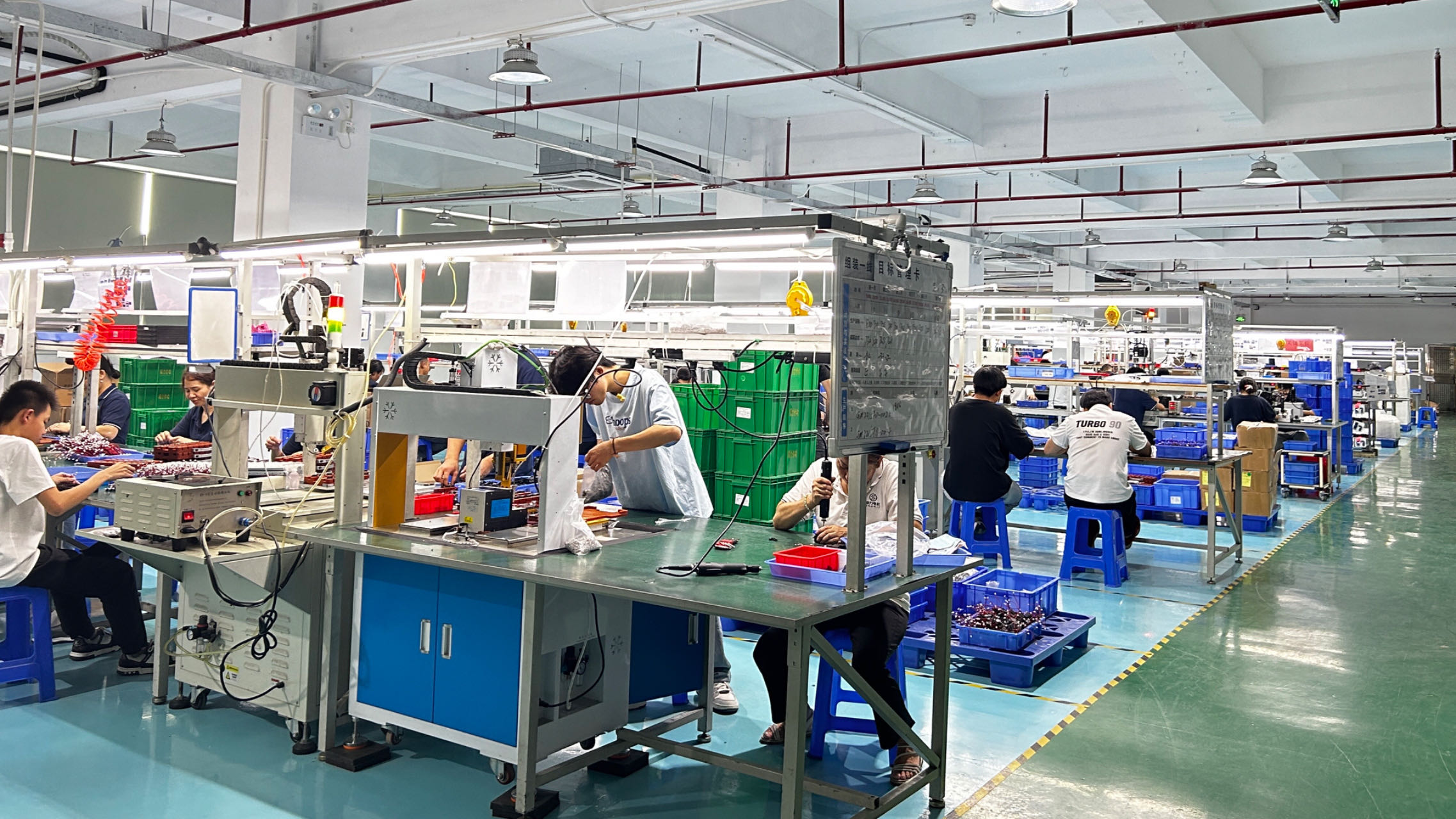
Automated stations designed to handle micro components and ensure trace-level alignment accuracy.
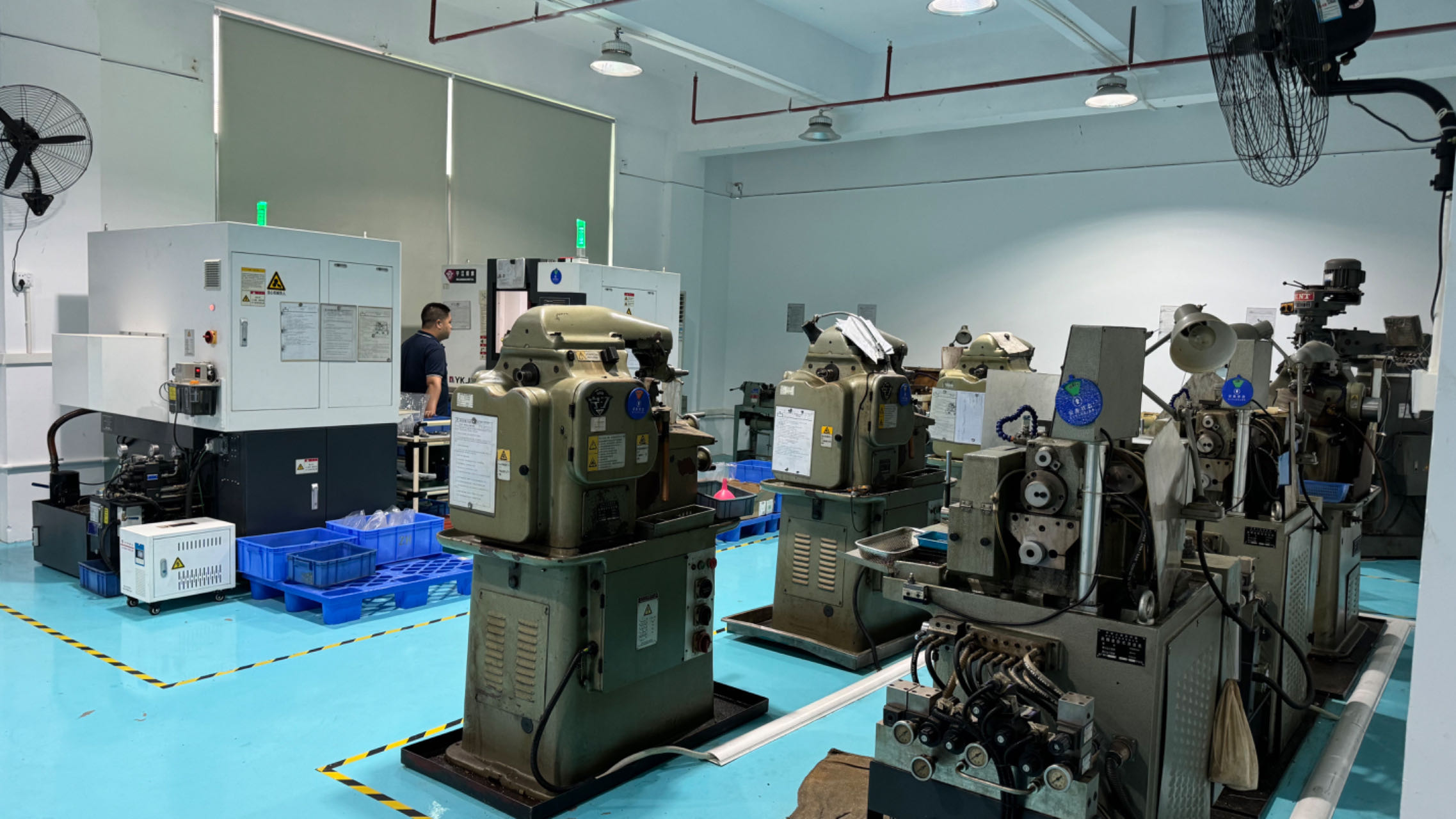
Equipped for automated analysis of current, speed, torque, and acoustic profiles.
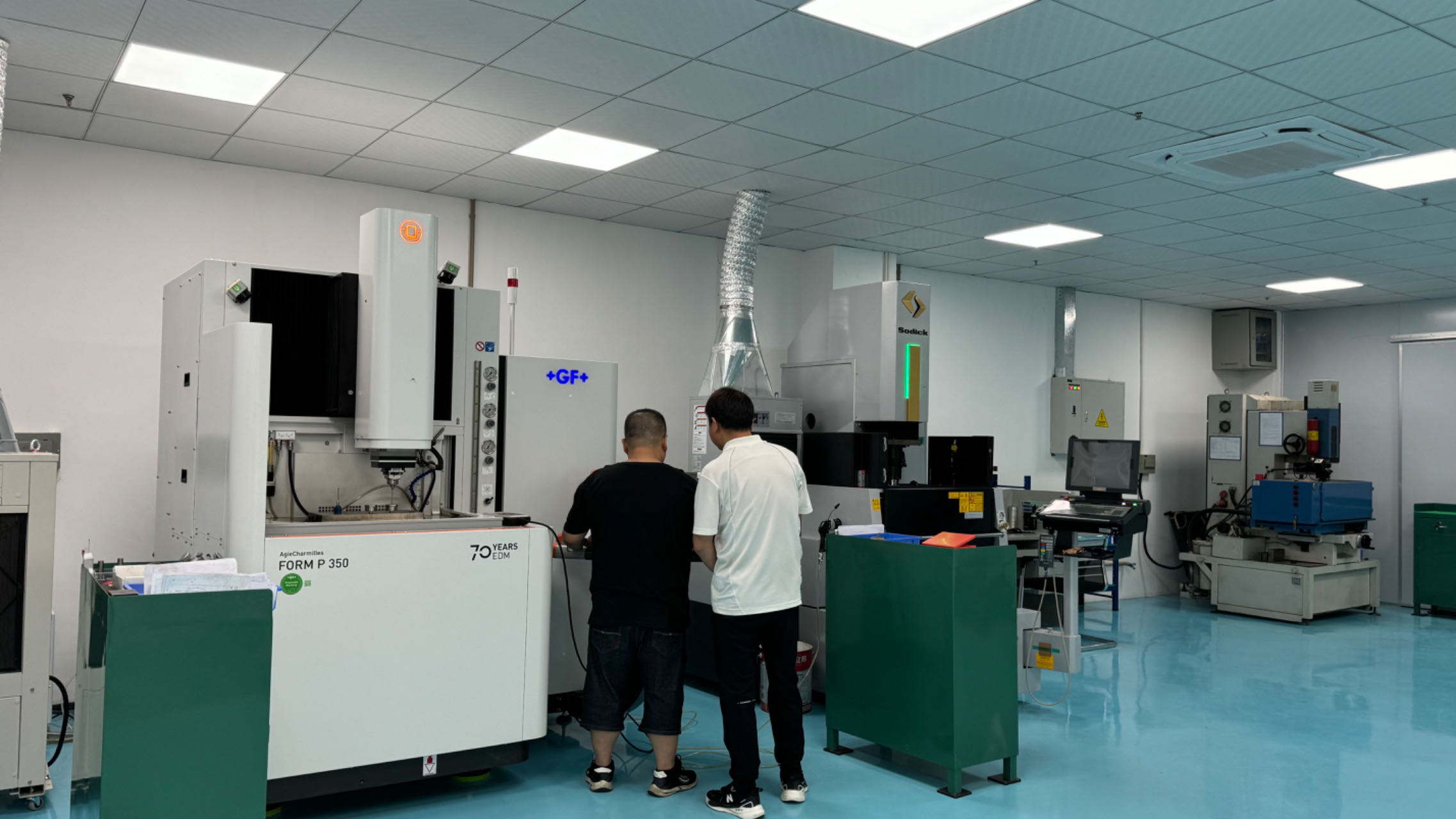
High-precision tooling workshop for manufacturing custom casing configurations and shafts.
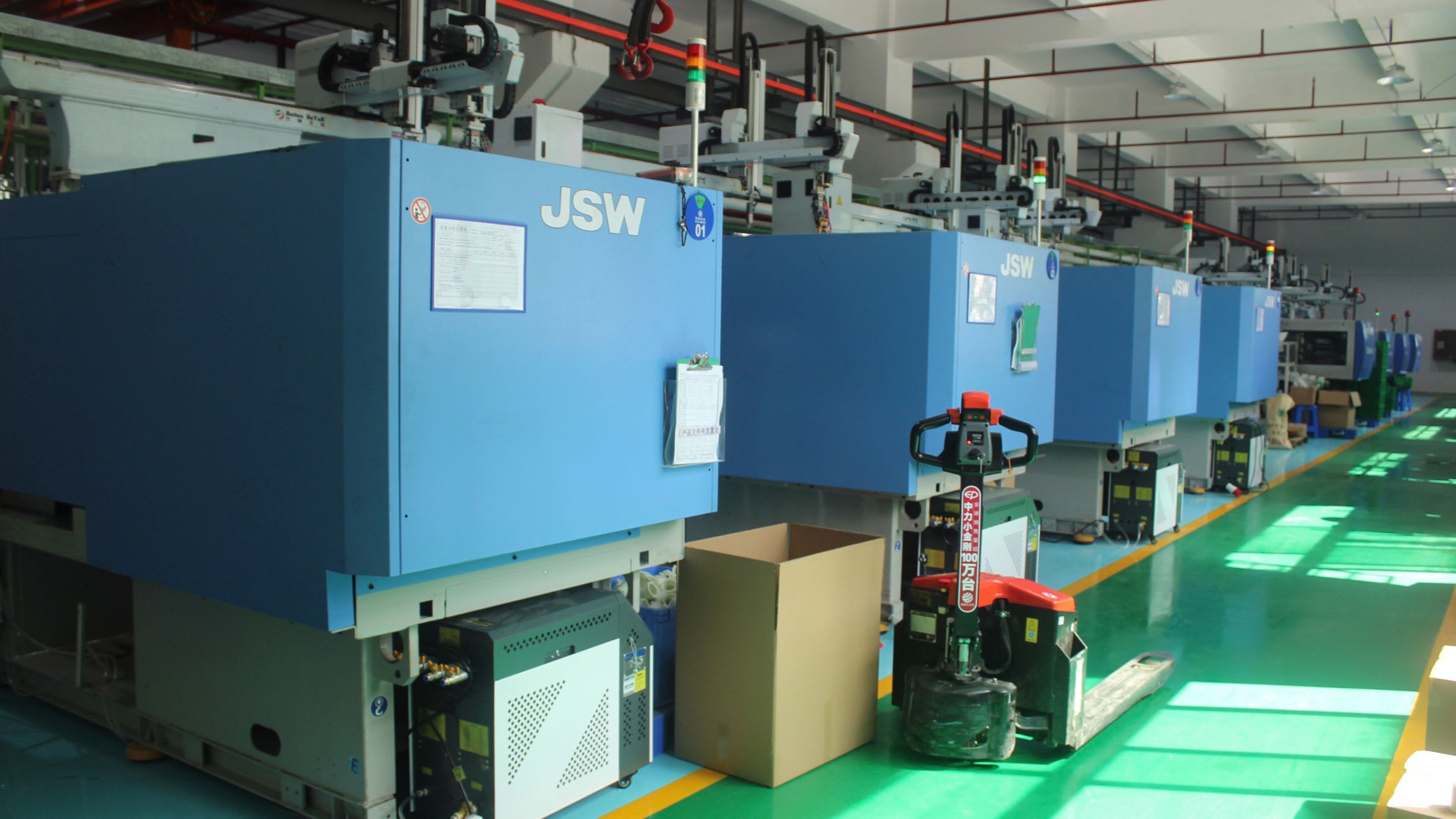
Raw material processing, organizing high-permeability steel sheets and copper wire reserves.
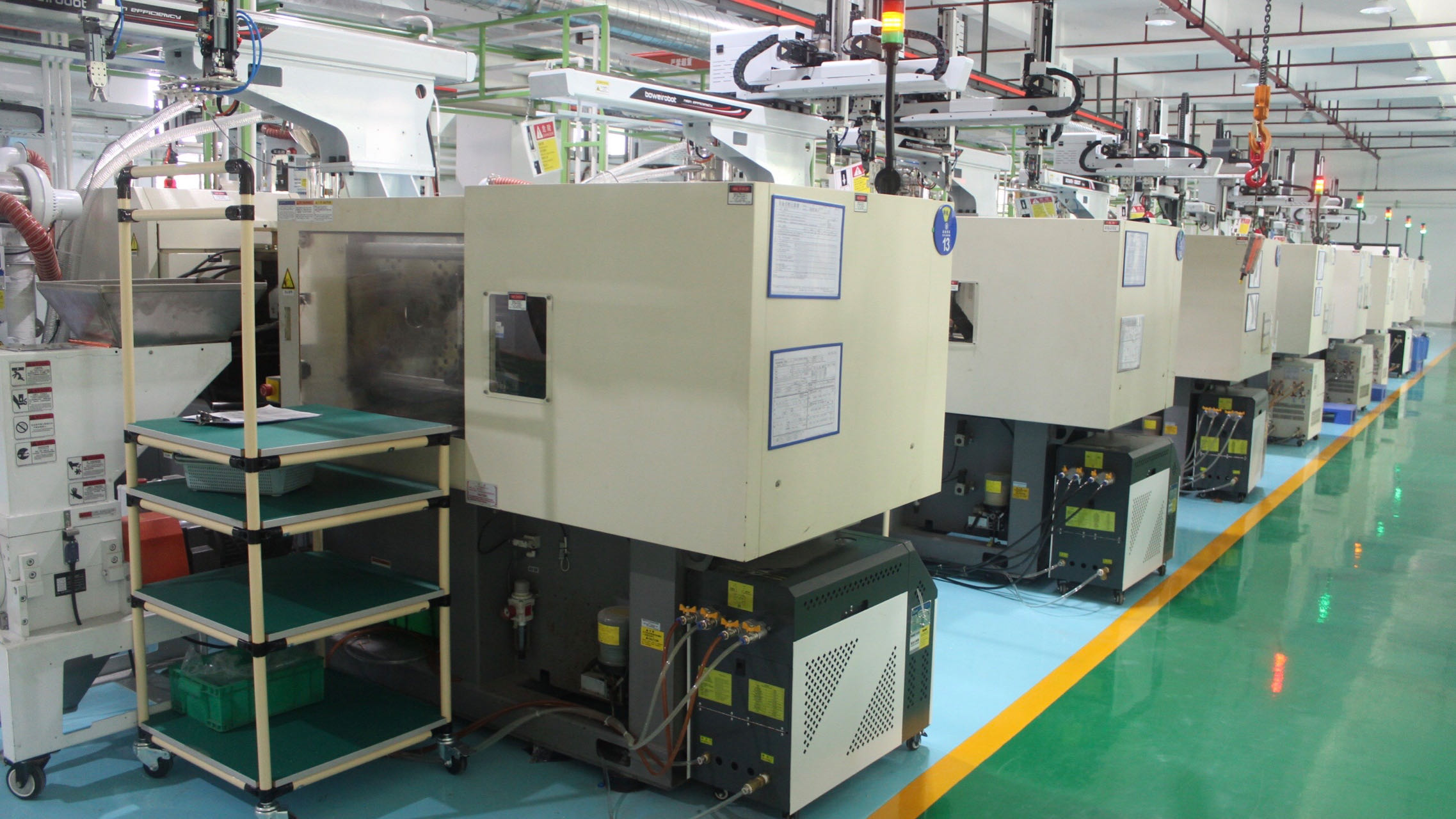
Controlled clean rooms prevent particle contamination in sensitive medical and sensor-integrated motor configurations.
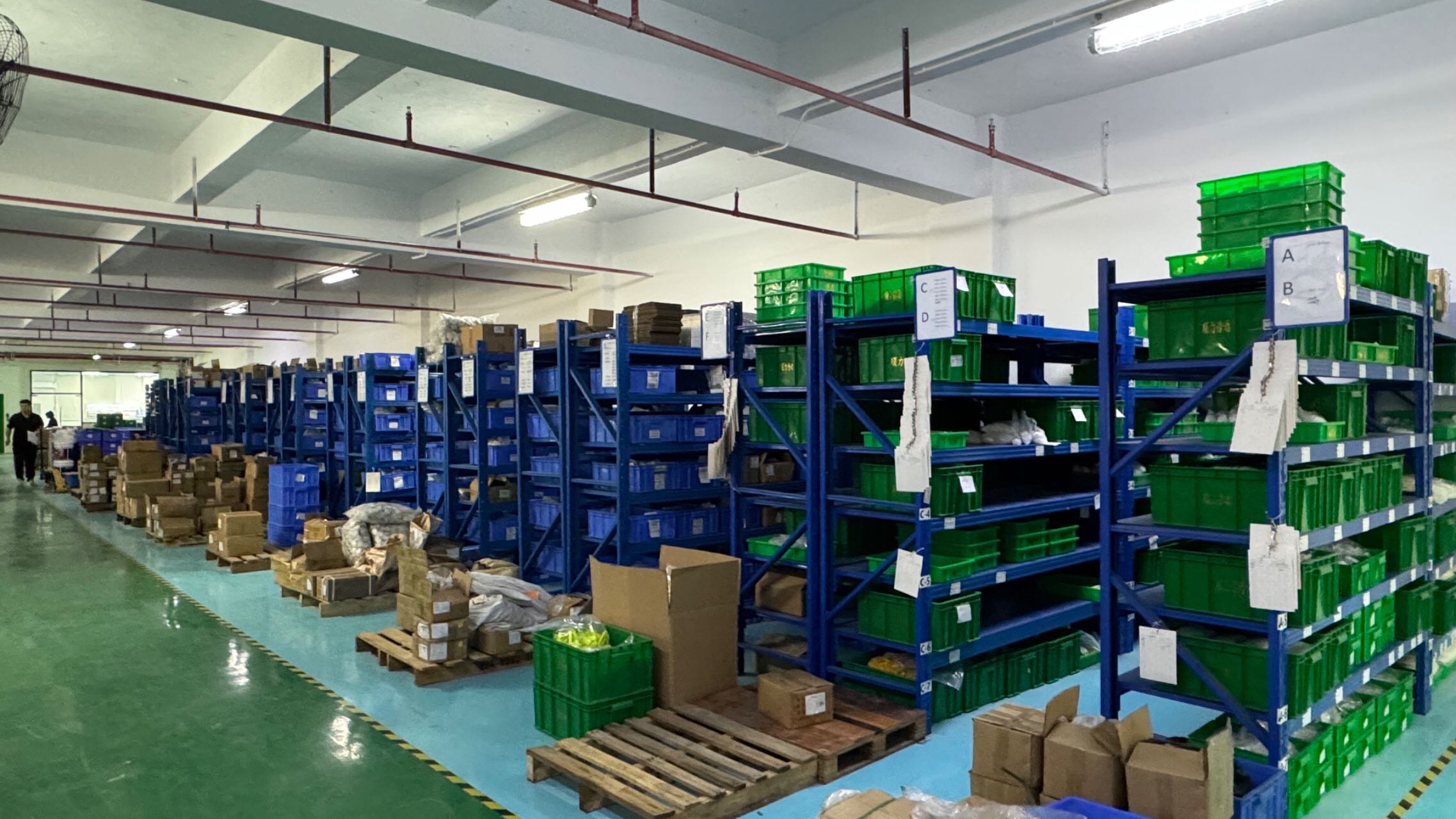
Dedicated high-tolerance production lines turning precision shafts with tolerances down to the micron level.

Incoming purity analysis on copper, steel, and magnets to eliminate core inconsistencies.
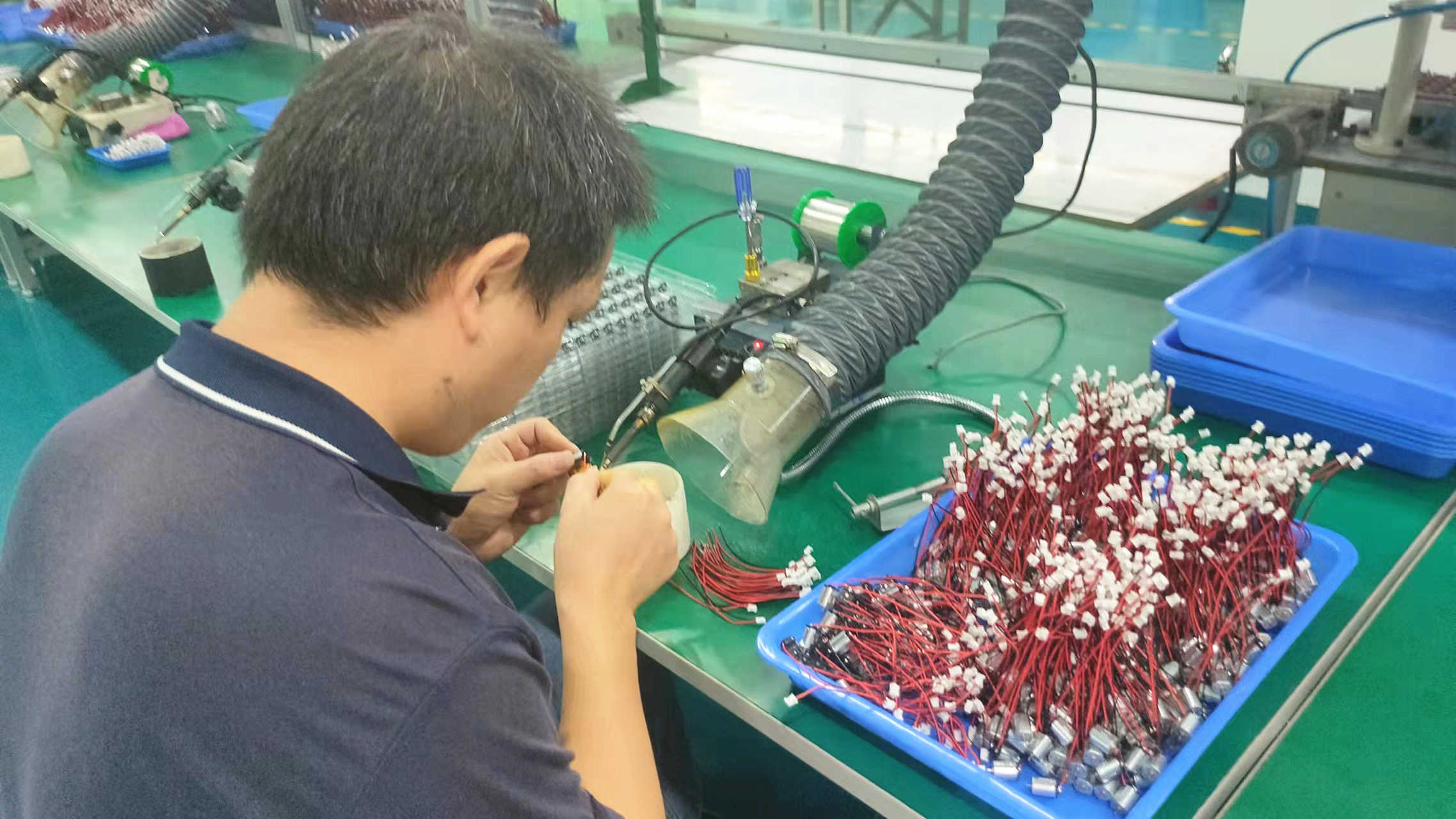
Automated laser micro-soldering ensures stable electrical connections under vibration.
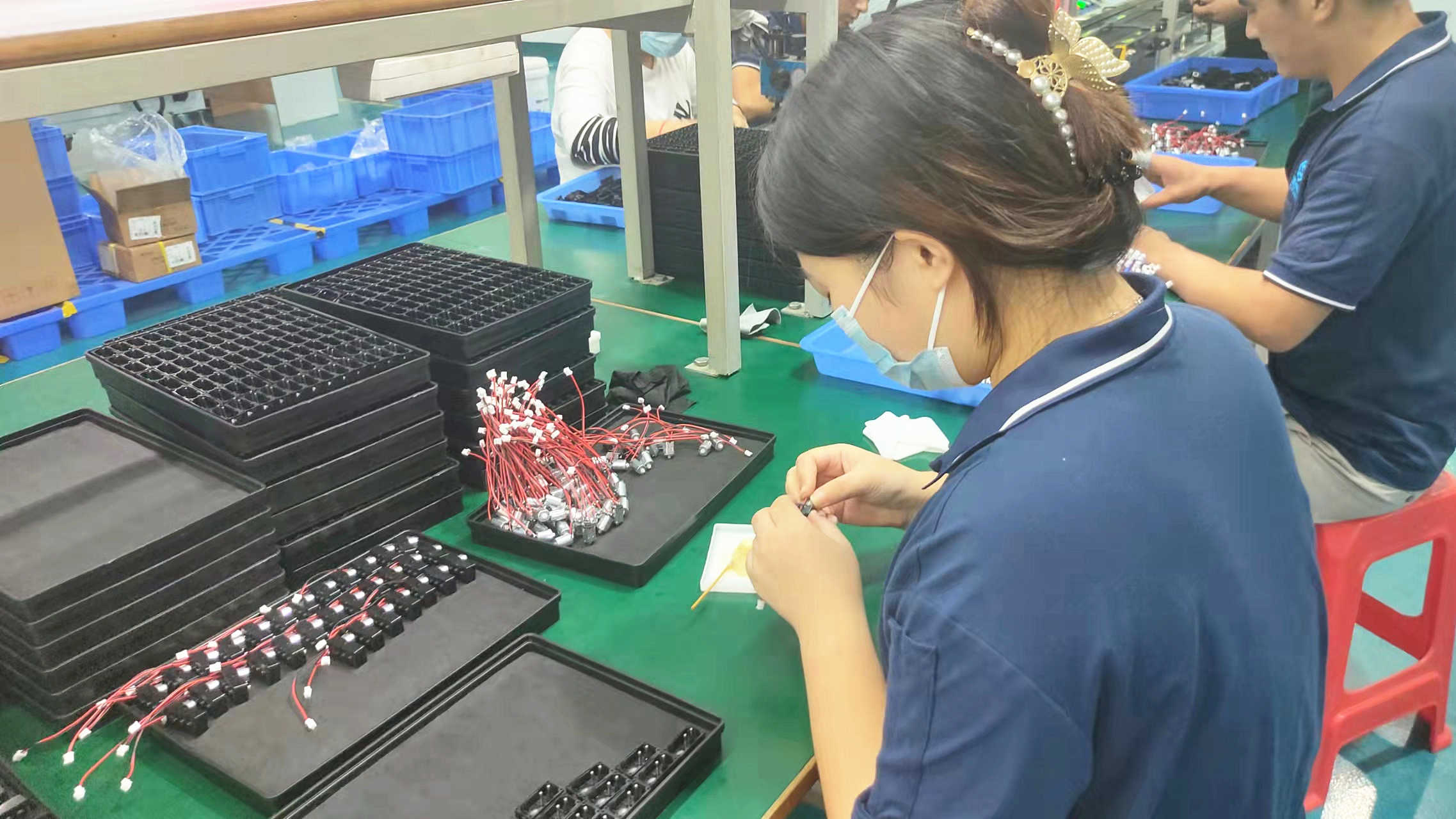
Semi-automated fixture-assisted rotor-stator integration preventing friction points.
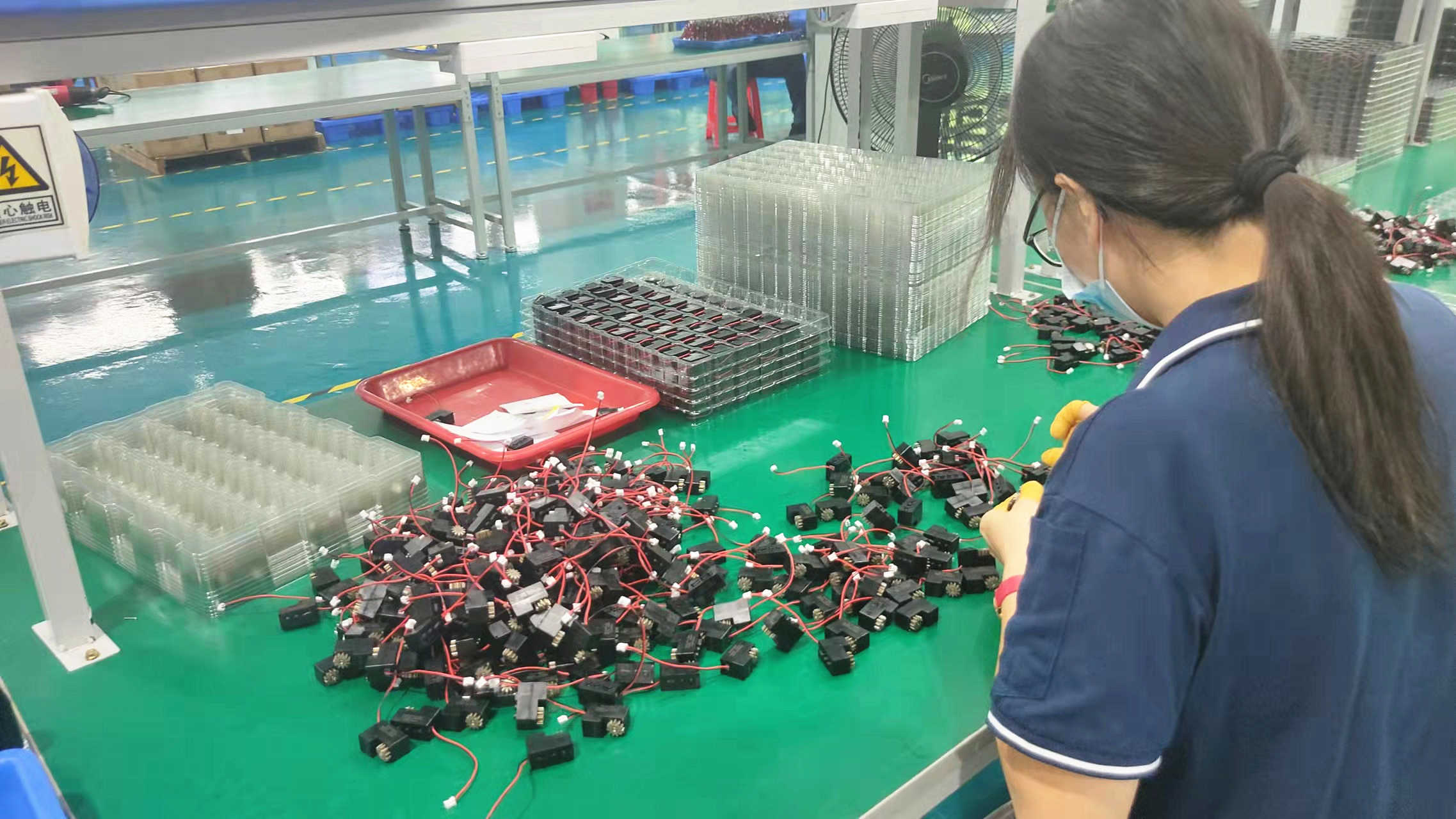
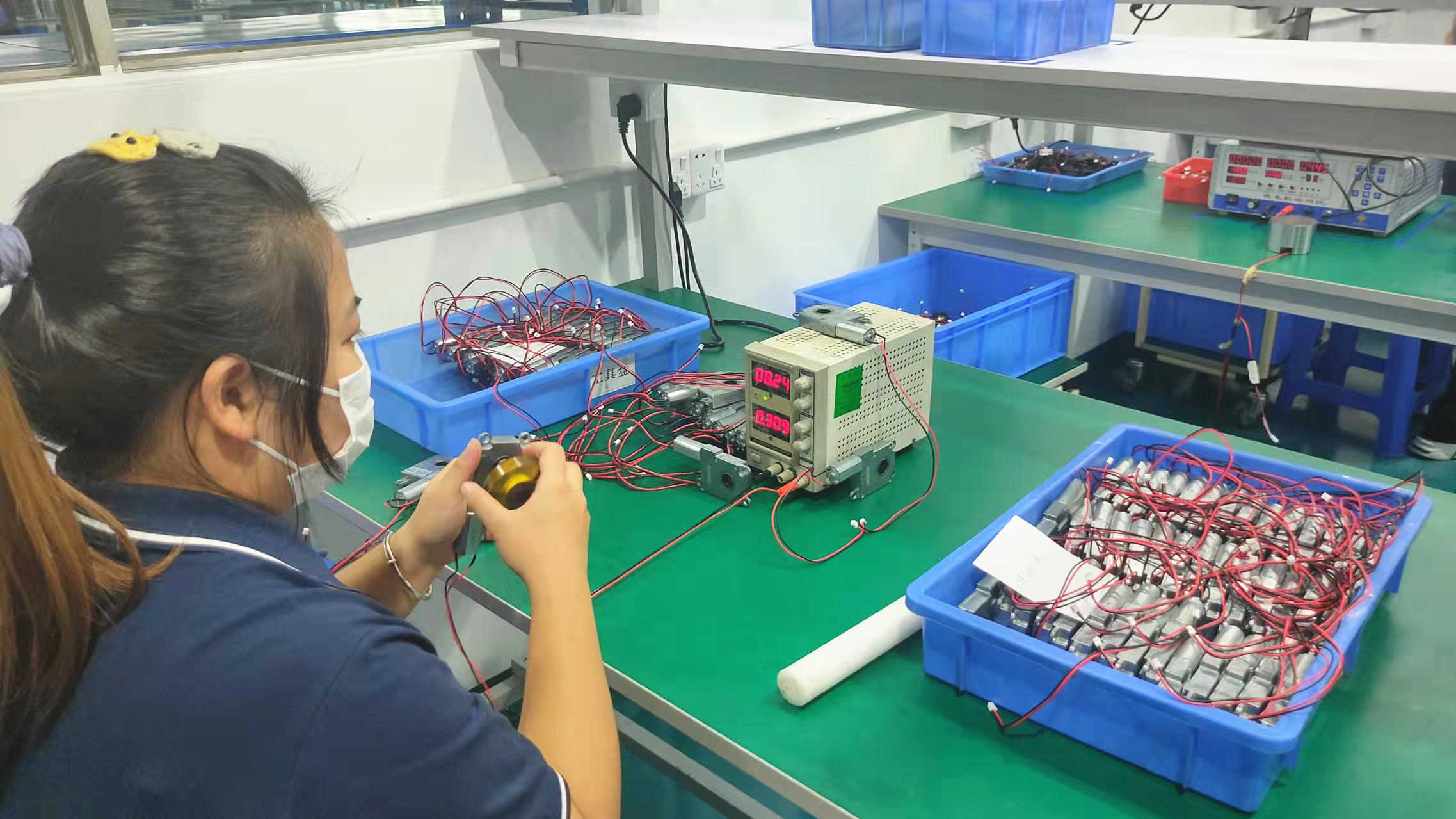
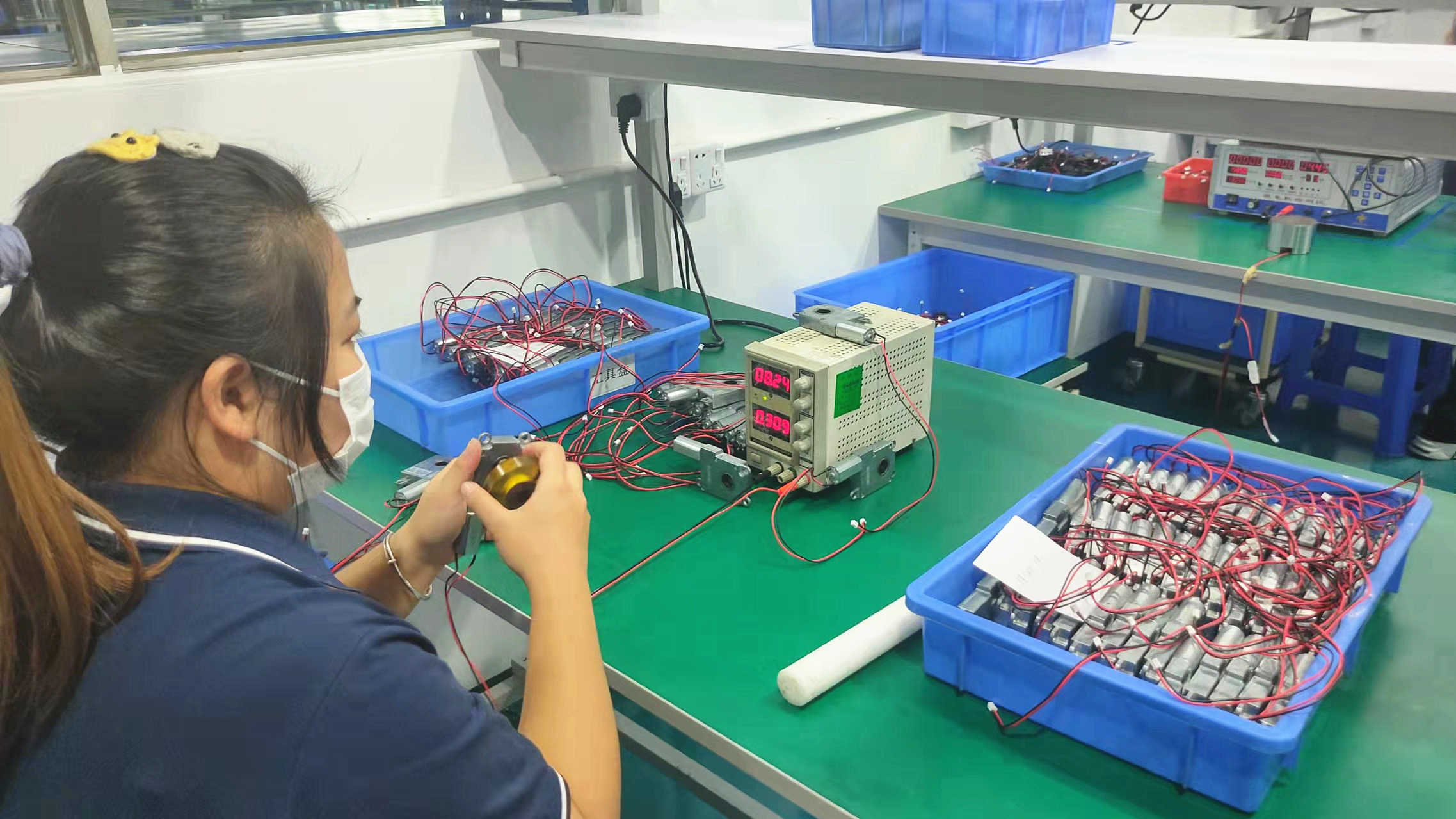
100% verification of insulation resistance, rotation speed, and noise thresholds.
ESD-safe customized thermoformed trays protect structural integrity during global transit.
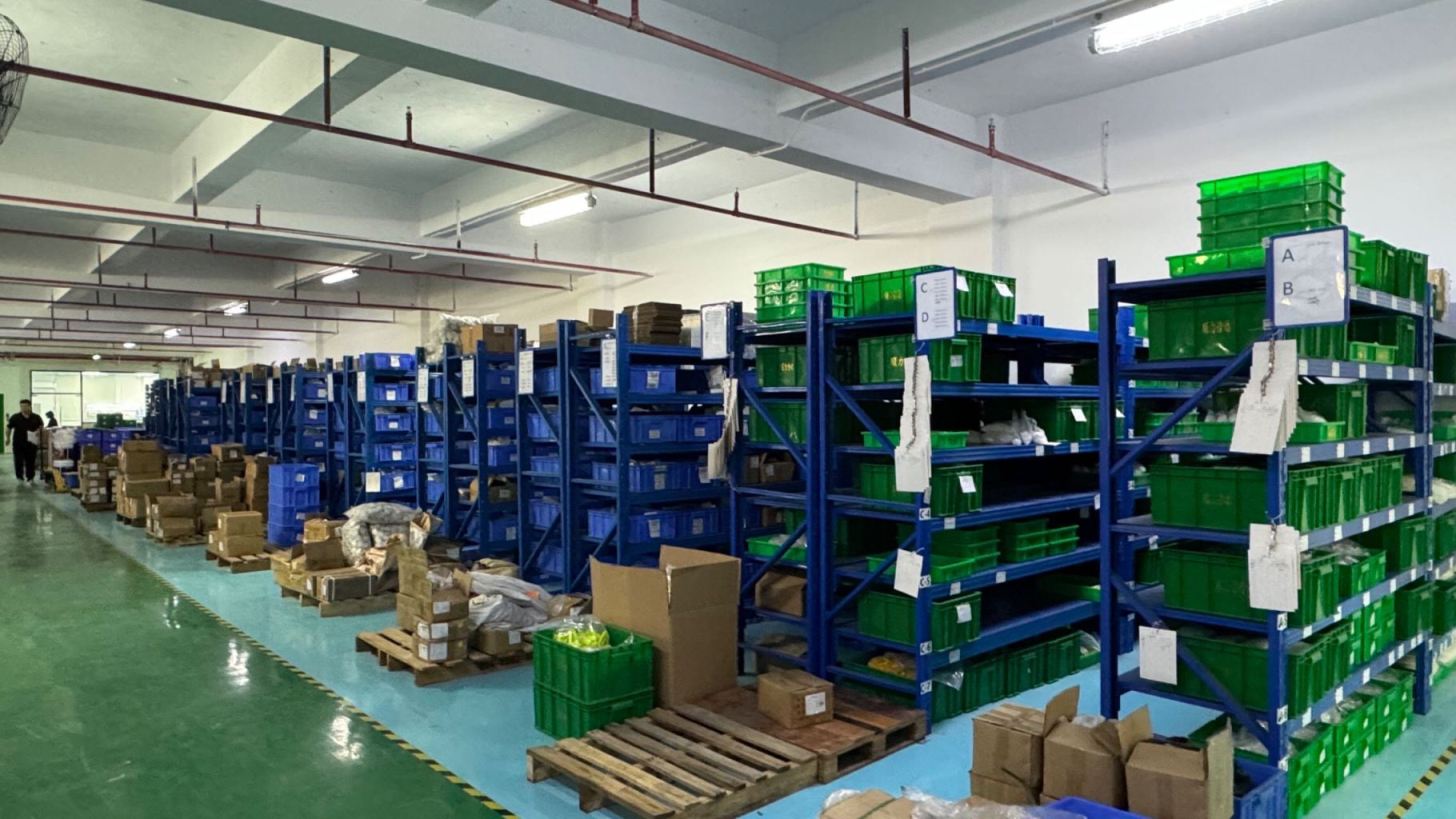
Humidity and temperature-controlled storage prevents oxidation before shipping.
High-precision longitudinal machining center for complex, ultra-precise motor shafts.
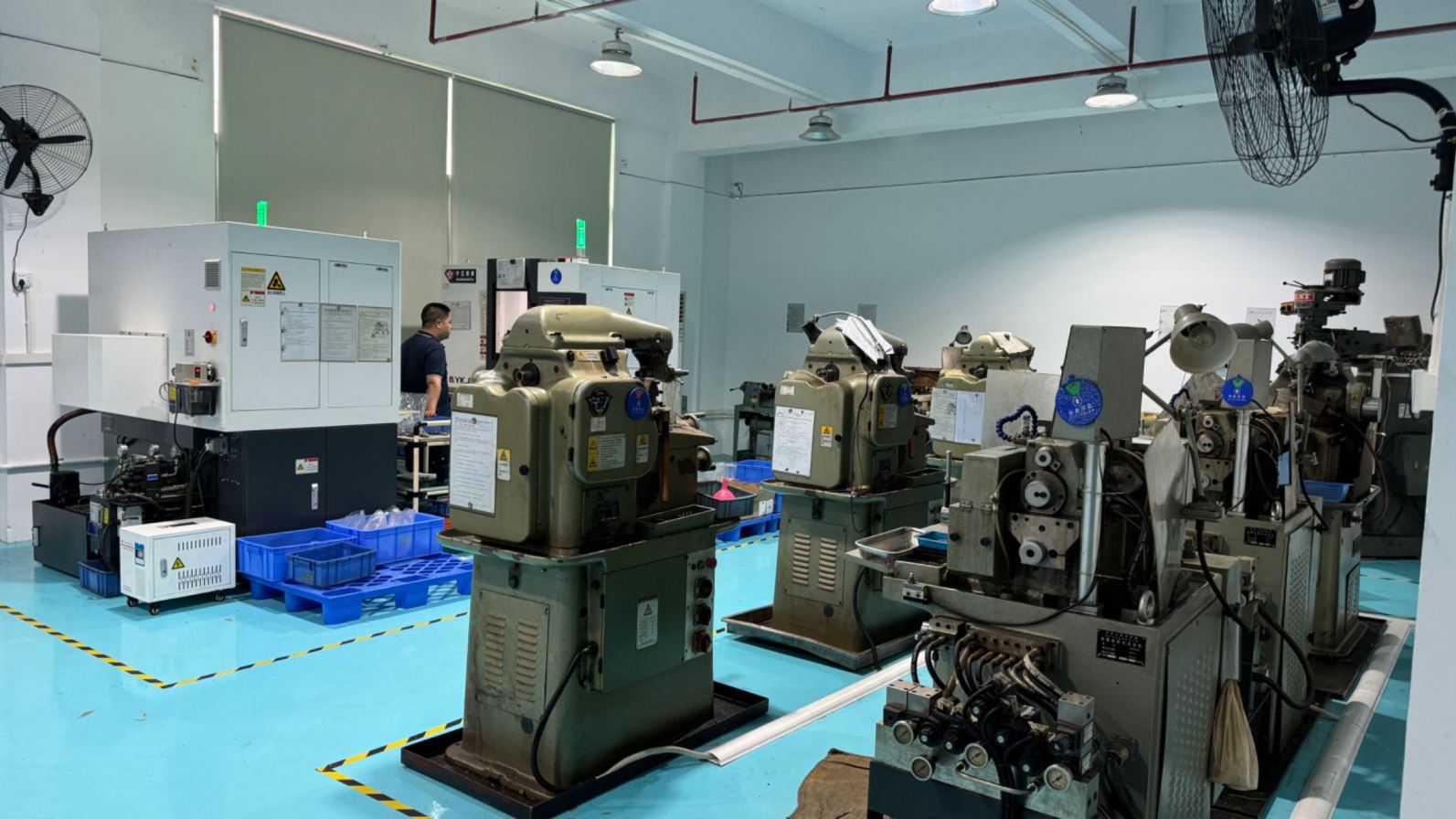
Ultra-precise gear profiling ensuring minimal back-lash inside high-reduction ratios.
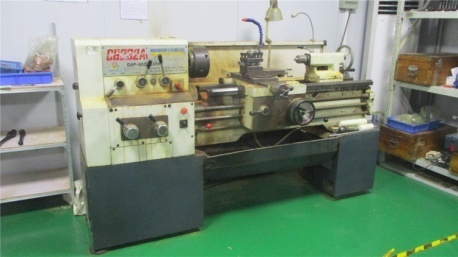
High-speed turning equipment generating motor endcaps and cylindrical components.
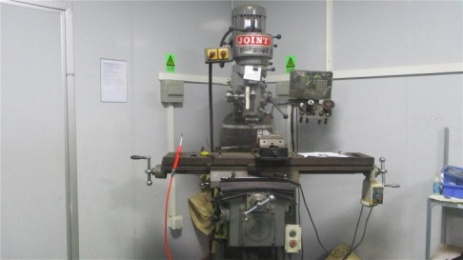
Precision vertical milling system for structural motor mounting plates.
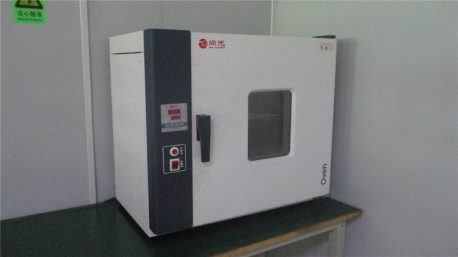
Thermal curing systems ensuring perfect polymerization of insulation varnishes.
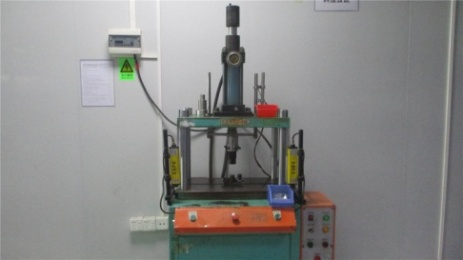
Automated mounting of gears on output shafts ensuring zero axial slippage.
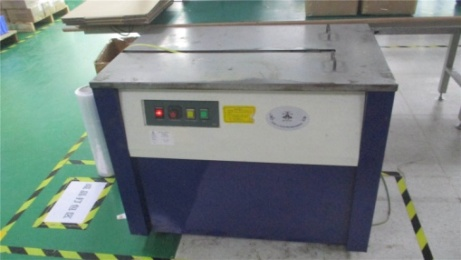
Hermetic sealing of shipping components protecting them against ambient oxidation.
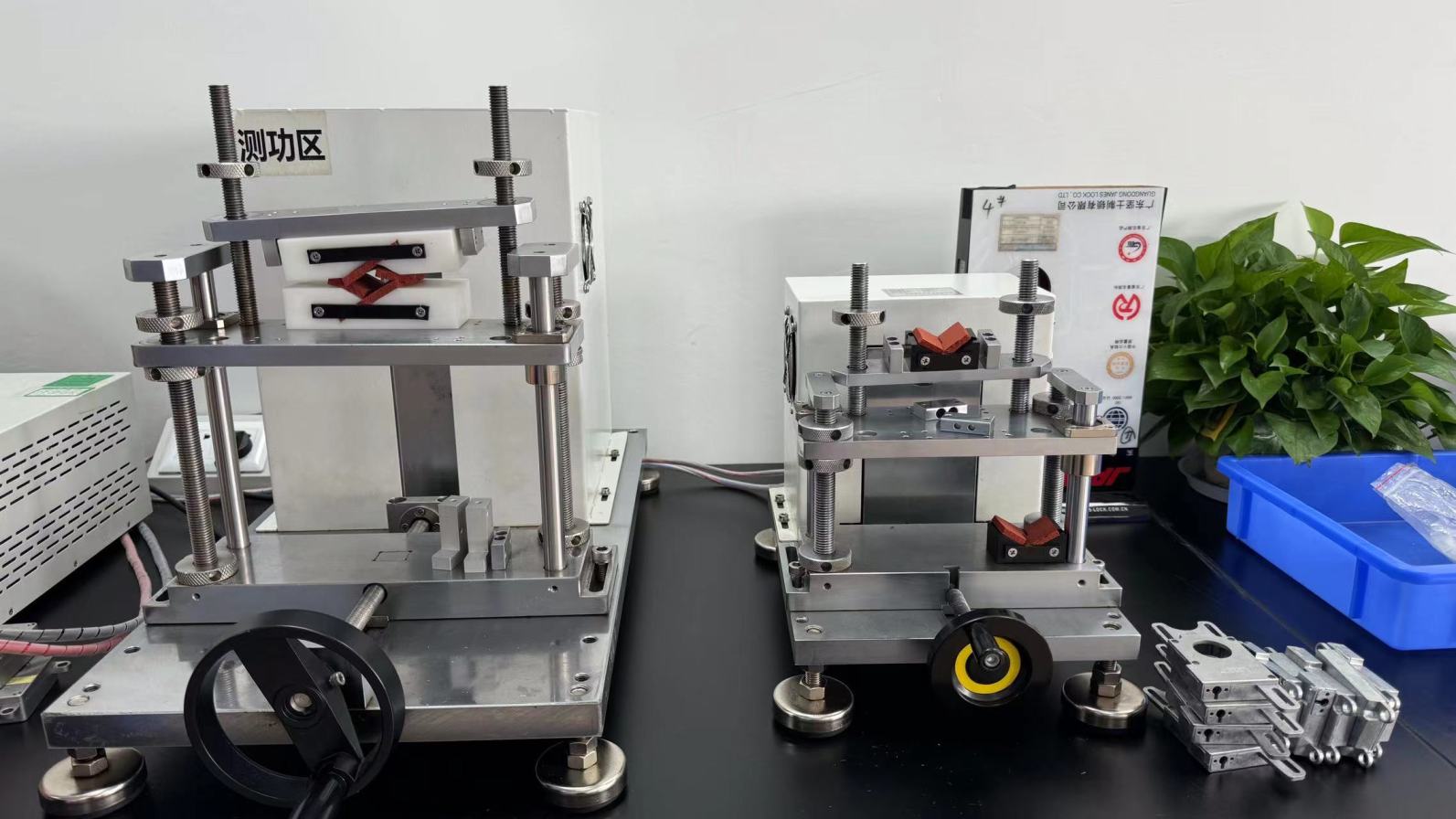
Precision pneumatic force assembly of outer bearings and motor casing housings.
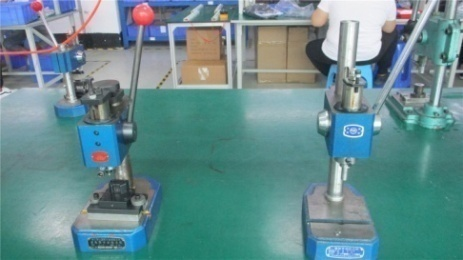
Used for custom low-volume runs and delicate initial pilot engineering steps.
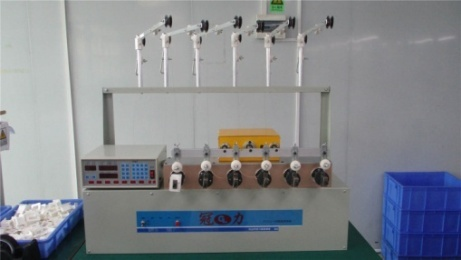
Computer-controlled winding paths avoiding spatial overlaps and coil resistance imbalances.
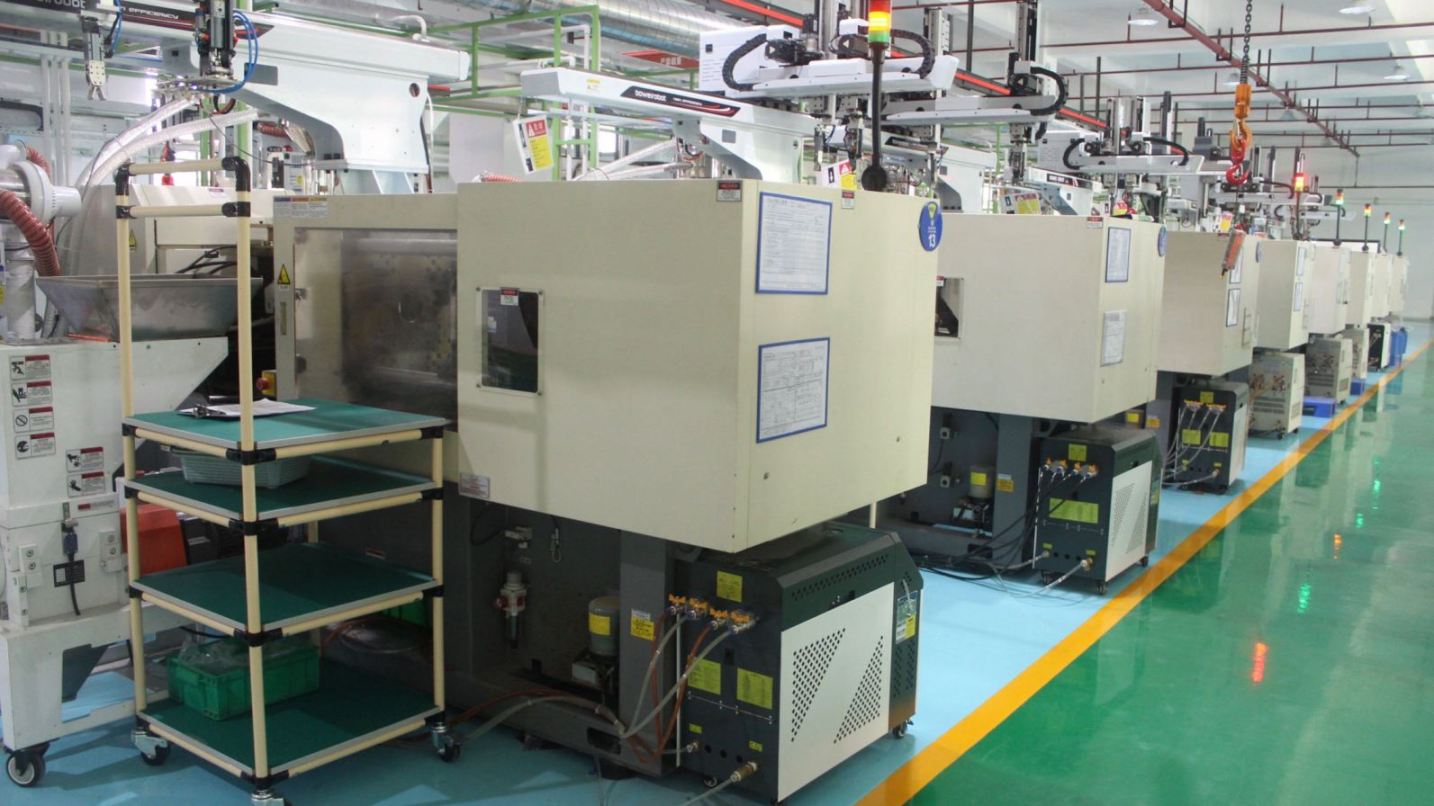
Molds high-precision nylon and polyoxymethylene internal gear components.
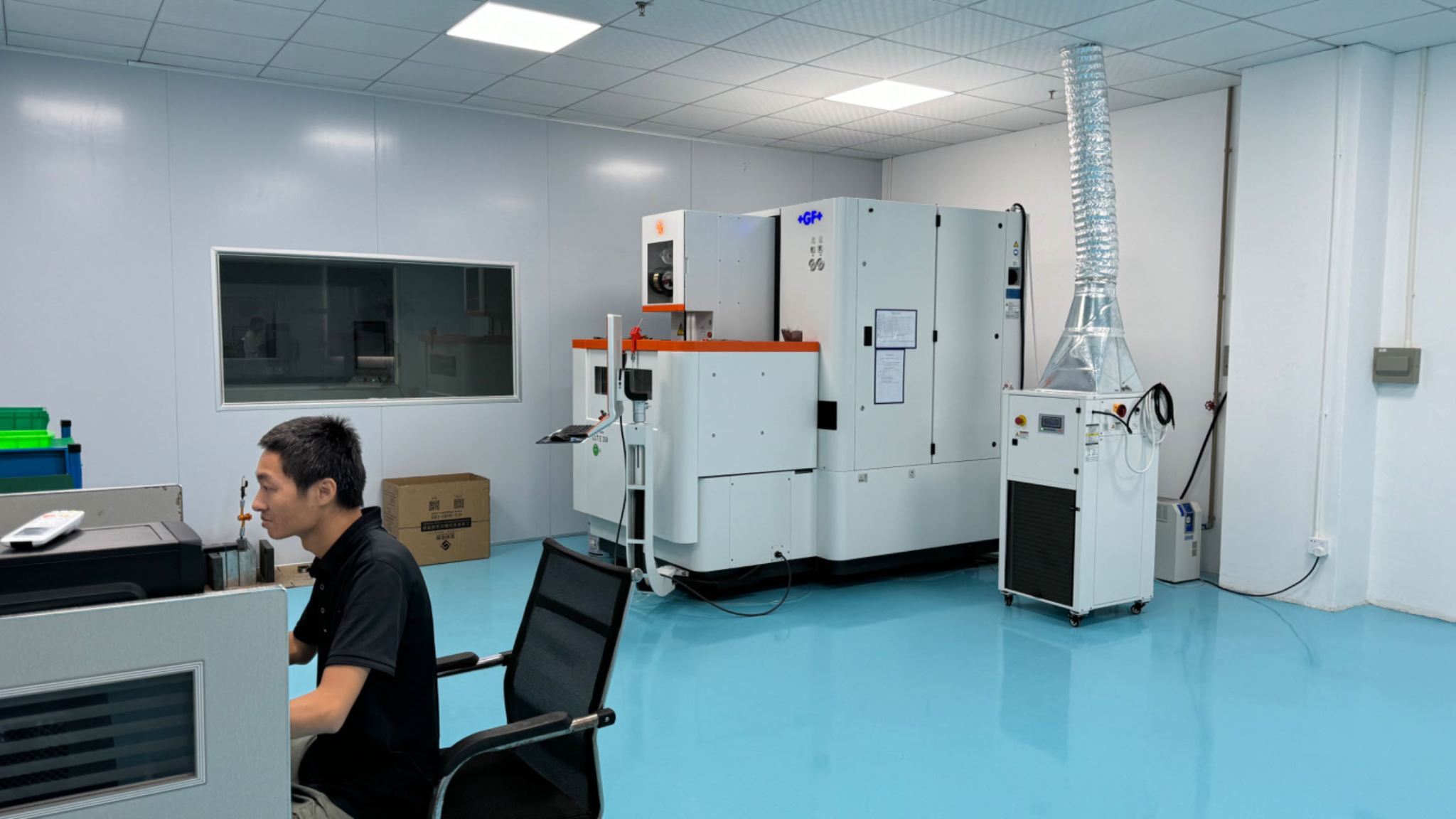
High-precision structural tooling generation using electric discharge machining paths.
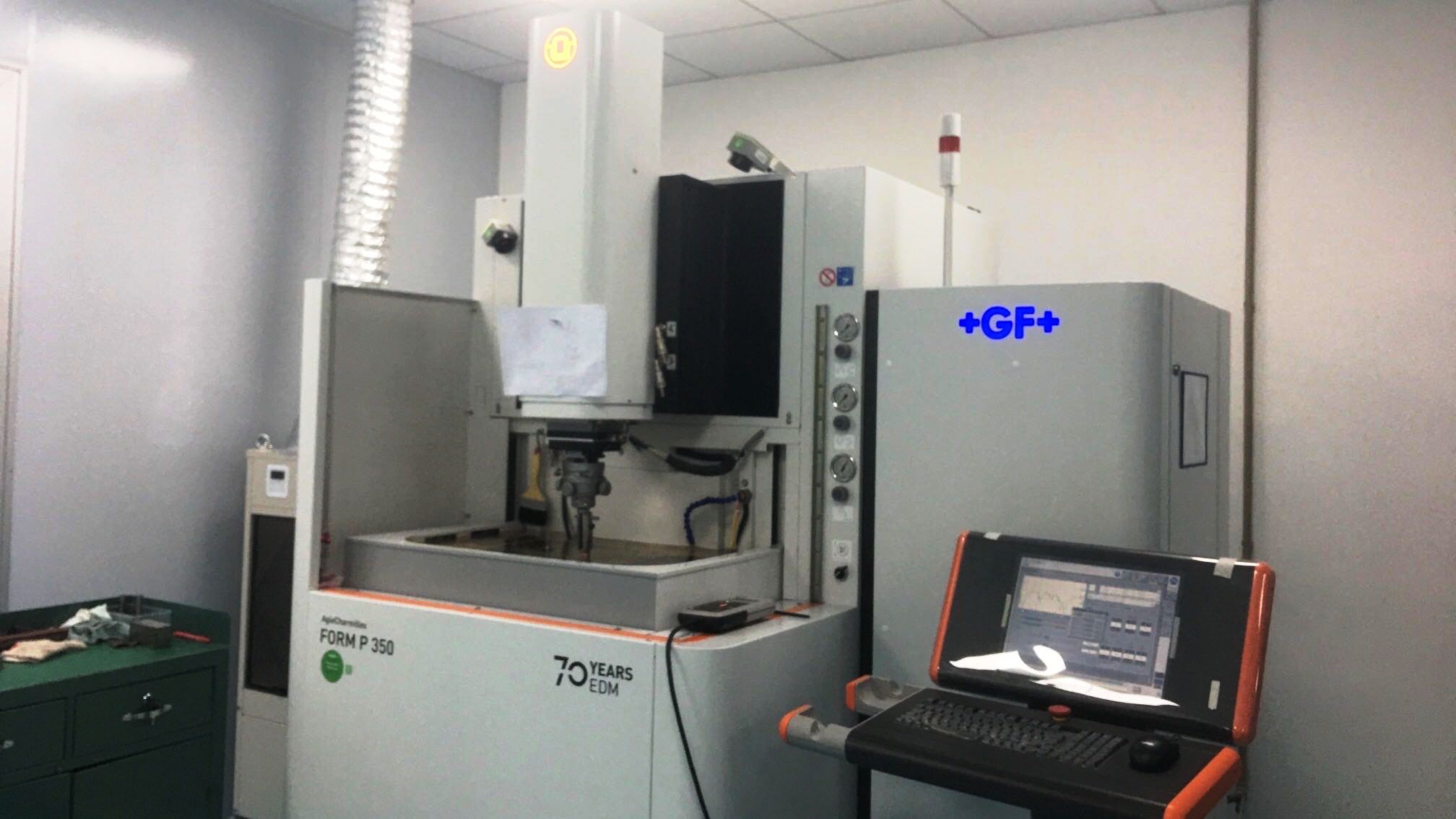
Machining hard conductive materials to fabricate customized stator punch dies.
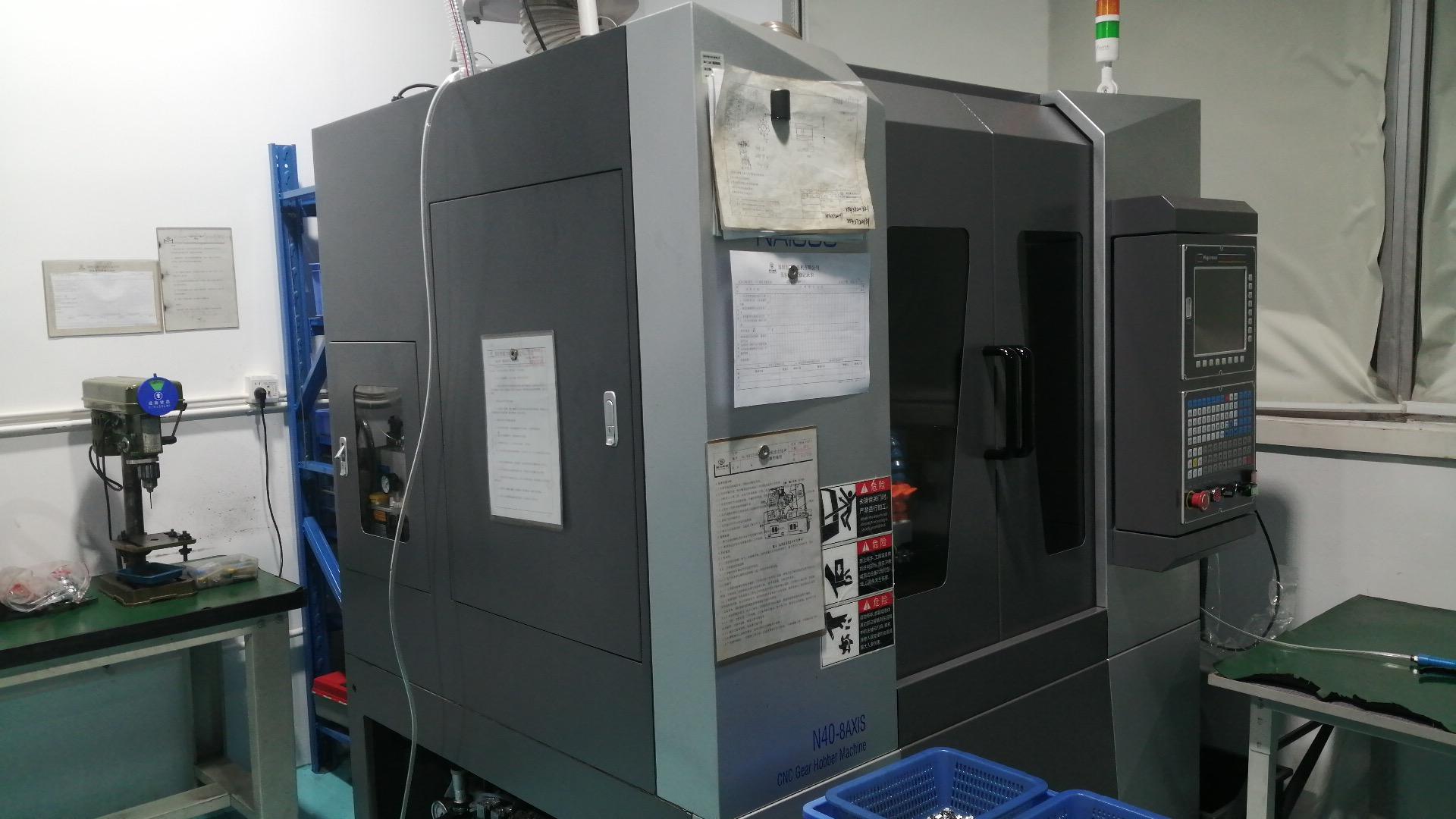
Custom cutting tool paths for designing unique drive gear components.
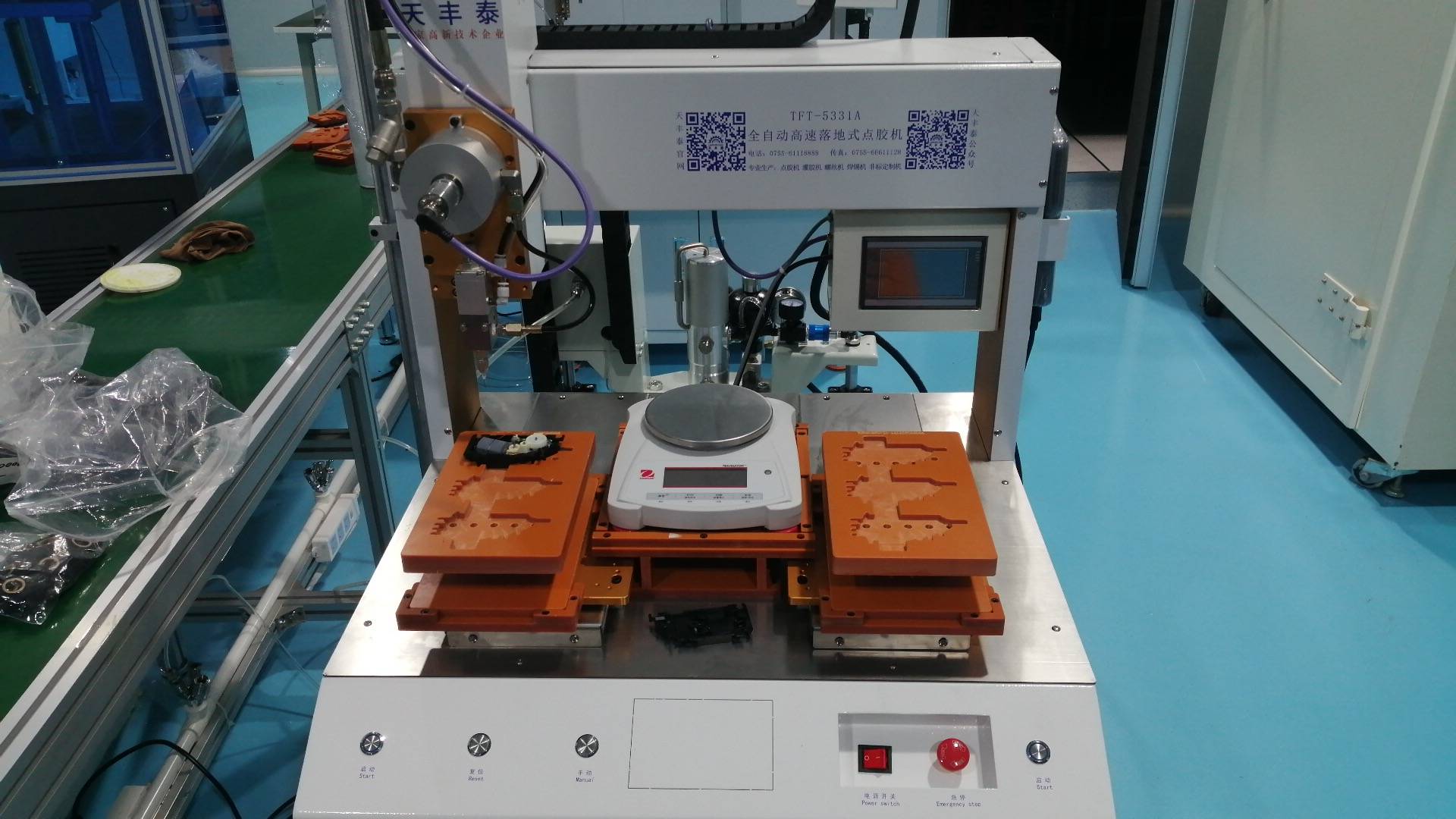
Precisely applies high-temperature structural adhesives to fix magnets to rotors.
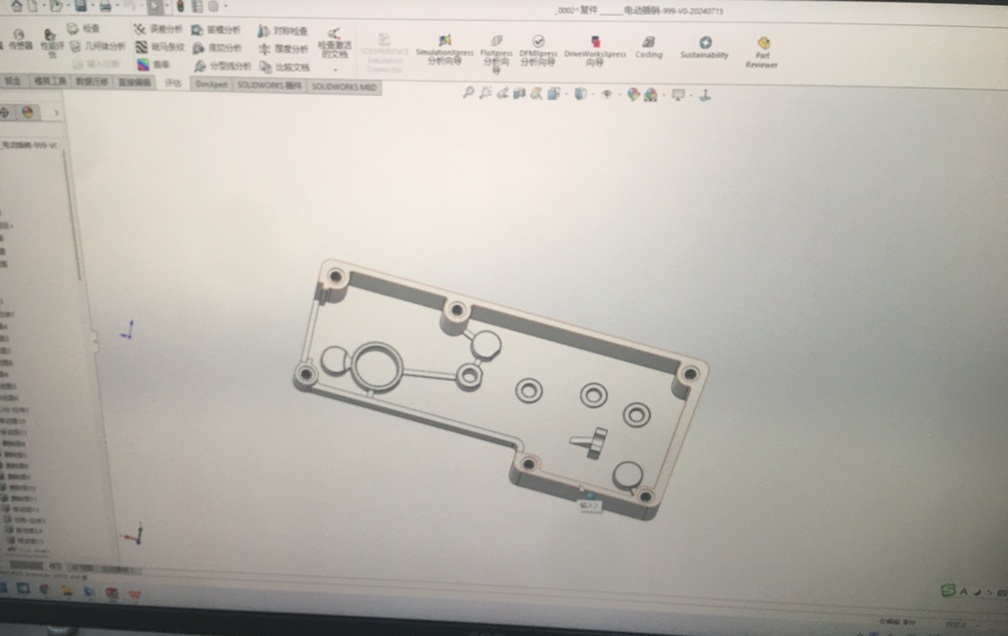
Using advanced structural and magnetic simulation to optimize magnetic flux lines.
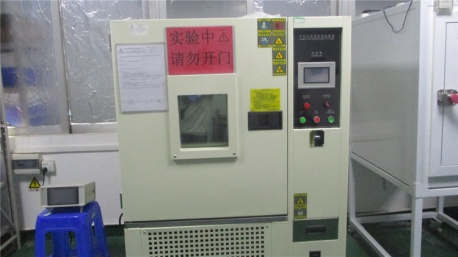
Validates motor performance under extreme environmental settings (-40°C to +85°C).
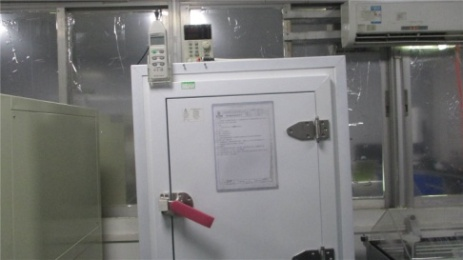
Anechoic diagnostic chamber isolating mechanical harmonics to ensure low-noise operation.
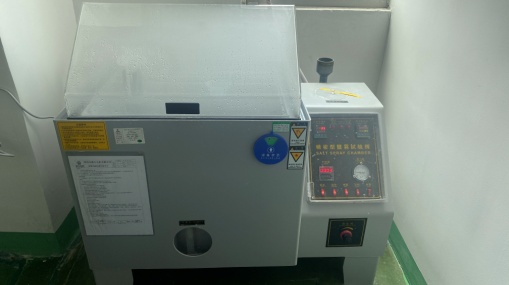
Accelerated chemical atmosphere exposure testing to verify plating durability.
Under-magnification inspection checking for micro shaft marks or housing anomalies.
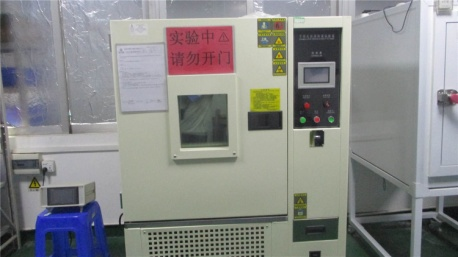
Dual testing chamber for secondary verification of extreme climate reliability.
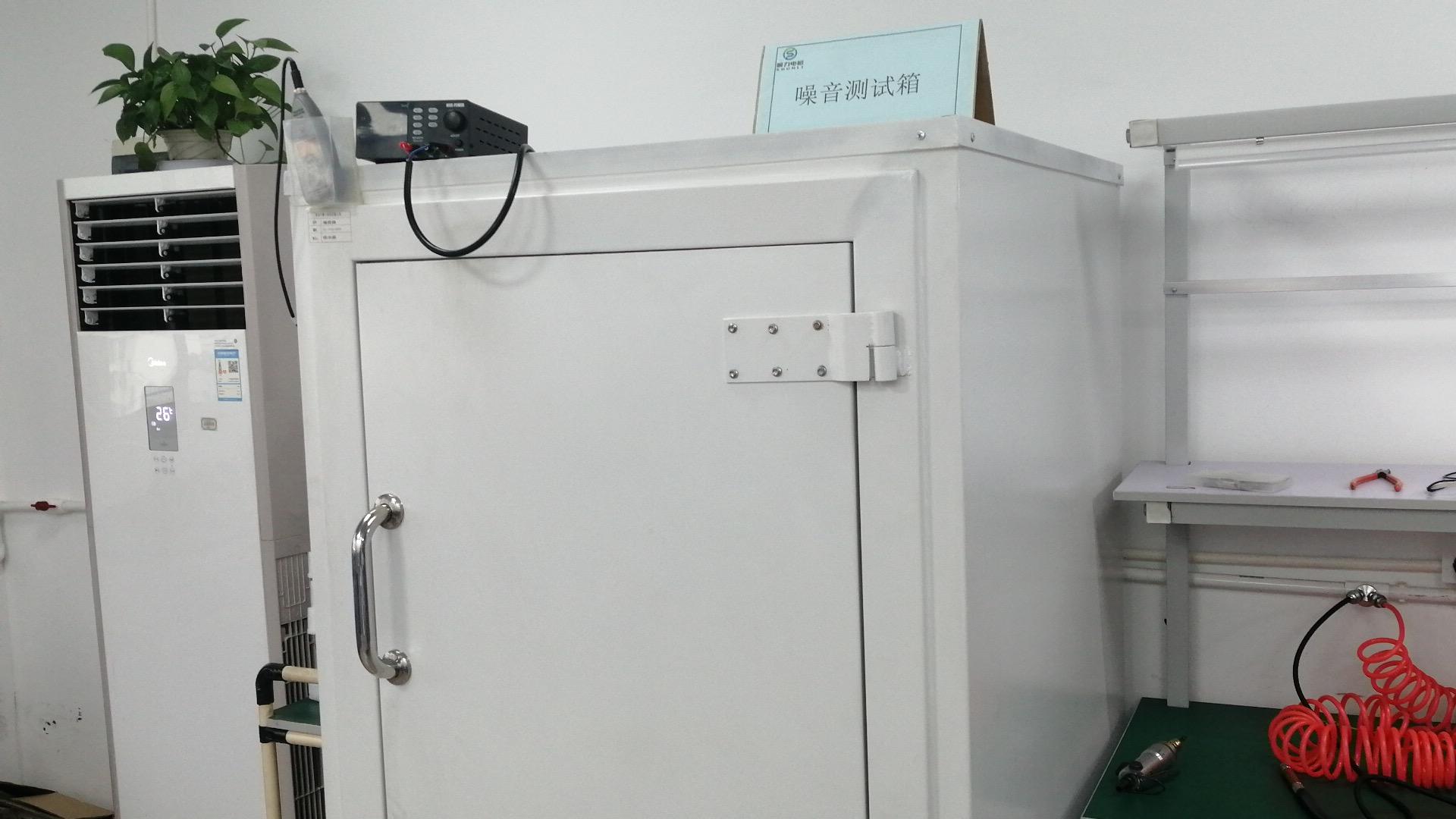
Verifies high-frequency brush commutator sounds are kept within product specifications.
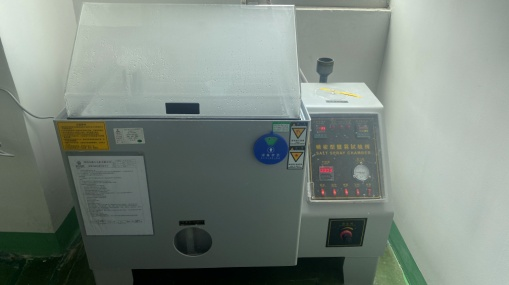
Confirms marine and industrial pump drive coatings satisfy international ISO standards.
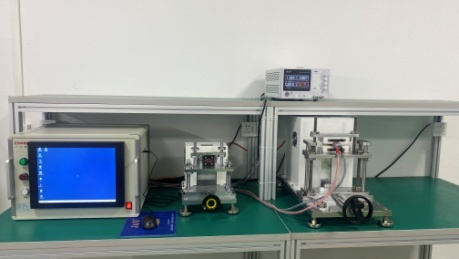
Captures dynamic torque-speed-current load curves to calculate electrical efficiency.
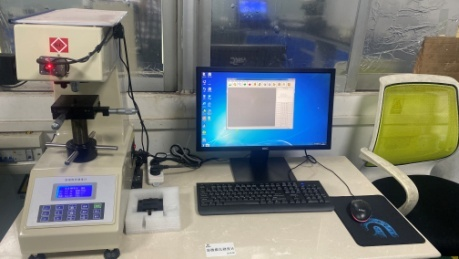
Determines structural resistance and heat-treating effectiveness of output shafts.
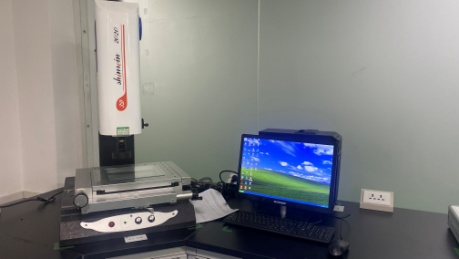
Non-contact optical dimension calculation verifying frame geometries down to 0.001mm.
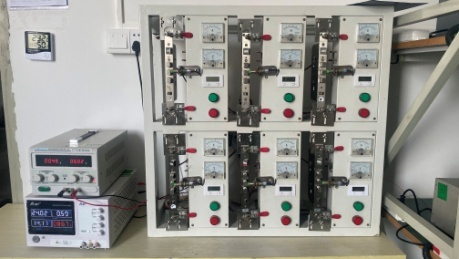
Simulates continuous life run-time over hundreds of operational hours.
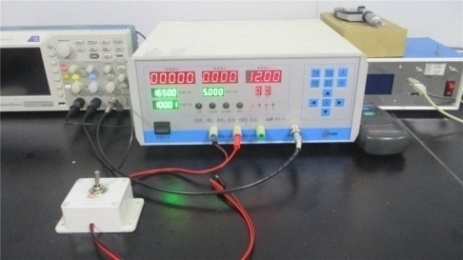
High-speed automated testing of electrical resistance and inductance parameters.
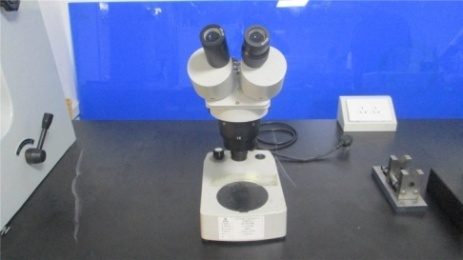
Analyzes brush contact surfaces and commutator wear patterns under magnification.
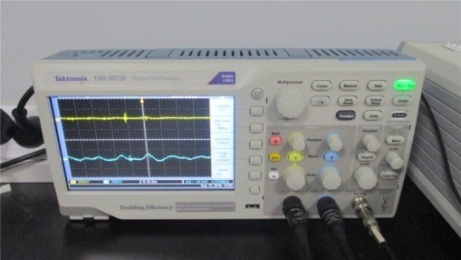
Diagnoses back-EMF waves and detects brush-arcing abnormalities.
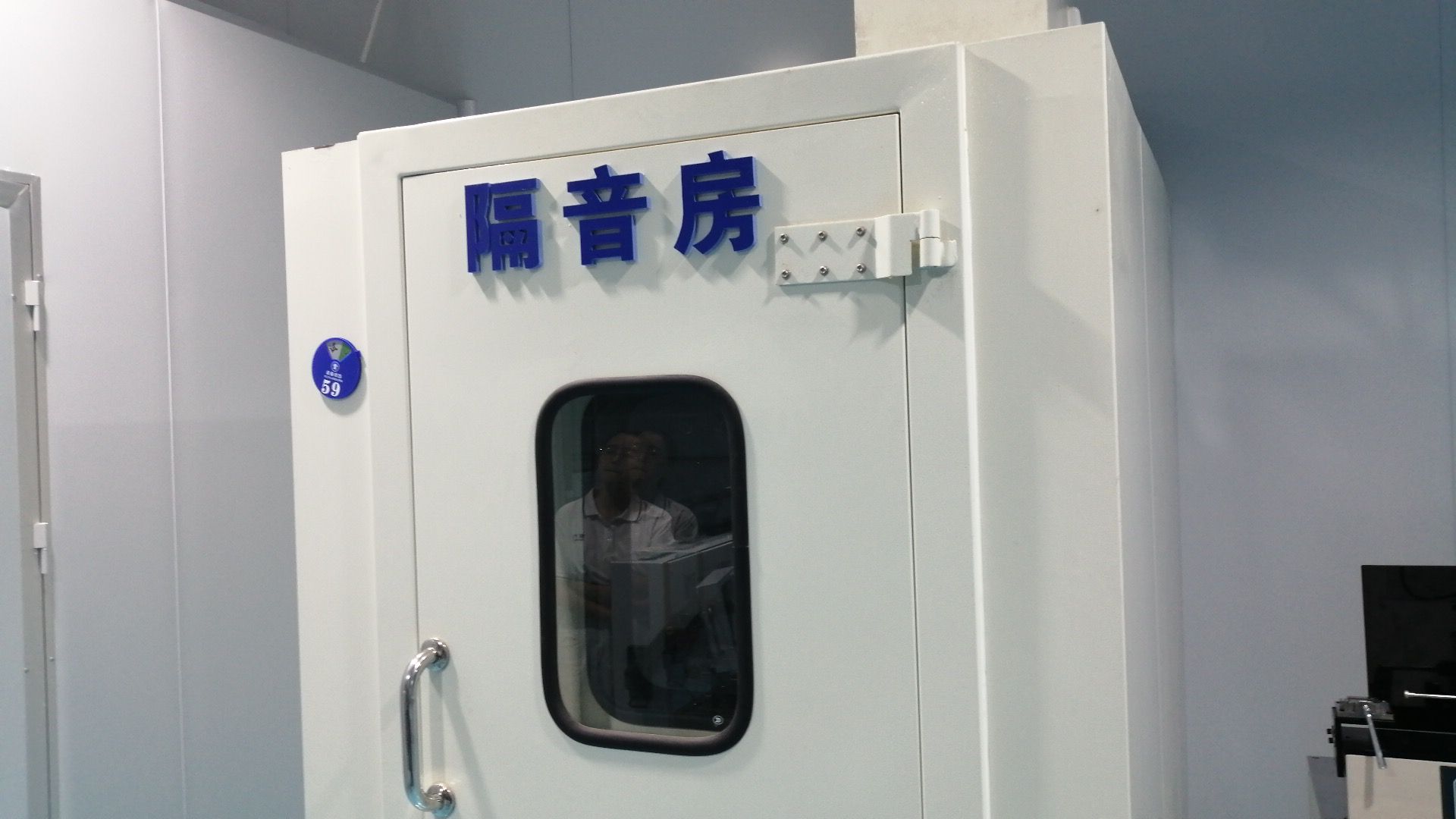
Isolates high-frequency noise profiles to ensure medical application compliance.
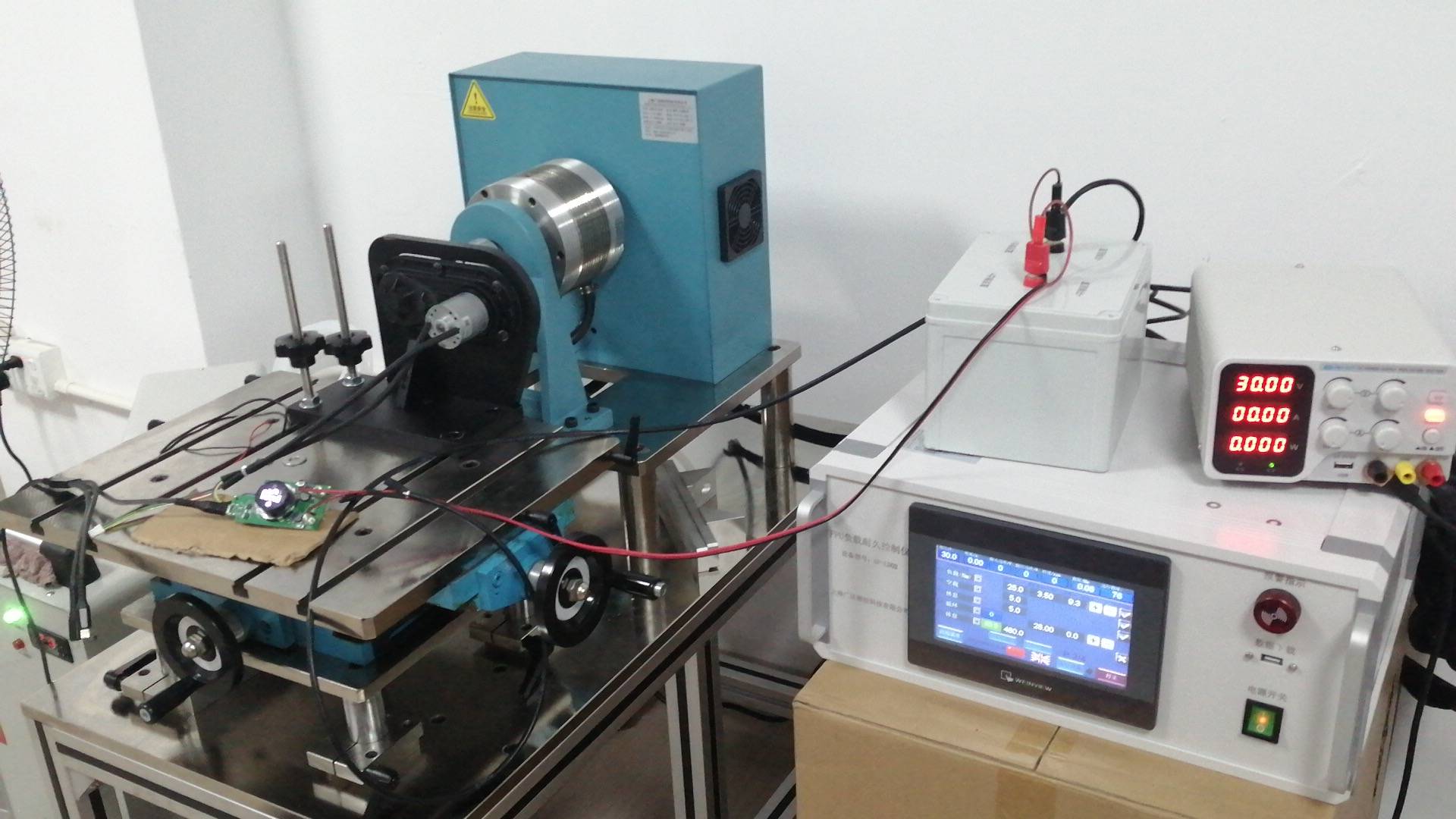
Evaluates magnetic flux distribution across rotors, eliminating cogging torque profiles.
Key questions and answers regarding torque specifications, material standards, and custom shaft configurations for global procurement managers.
Our quality control system is structured around the ISO 9001:2015 framework. We control batch variance by integrating high-precision machinery (such as our Ningjiang Machine Tool systems) with automated testing rigs. Every shipment is backed by a material analysis certificate and electrical run-out curves. We perform 100% inspections on acoustic limits and axial run-out tolerance to ensure our motors fit smoothly into precision products in Osaka and global assembly plants.
We provide full customization, including custom shaft lengths, flats (D-cuts), cross-holes, keyways, and worm gears. We work with materials ranging from high-carbon steel to stainless steel depending on rust prevention requirements. Our design team uses CAD and FEA analysis to optimize gear geometry, helping to reduce backlash and minimize wear over long operational lifetimes.
Depending on the application requirements, we use both high-grade sintered Ferrite magnets (for cost-sensitive, high-volume consumer goods) and sintered Neodymium-Iron-Boron (NdFeB) magnets. NdFeB magnets are preferred for compact, high-torque designs like medical pumps, locking mechanisms, and robotics, where power-to-volume ratios are critical.
We test motor noise levels inside an anechoic soundproof chamber with a noise floor below 15 dBA. Sensitive applications, such as medical blood pressure monitors and premium personal care products, require motor noise to remain below 35-40 dBA at a distance of 30cm. We verify compliance by measuring vibration levels under real-world load conditions on our test benches.
Custom shaft and casing prototypes are generally completed within 10 to 15 working days. Once the prototype is approved, production lead times average 25 to 30 days. We manage logistics through nearby deep-water ports to provide efficient shipping routes to Osaka, Yokohama, and major global distribution hubs.
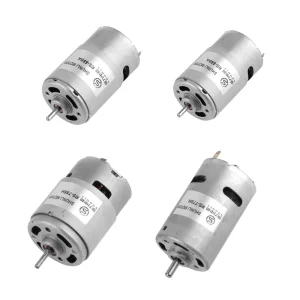
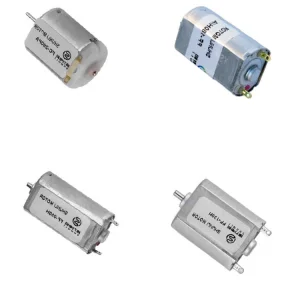
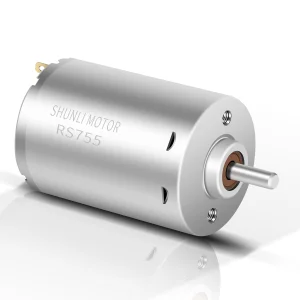
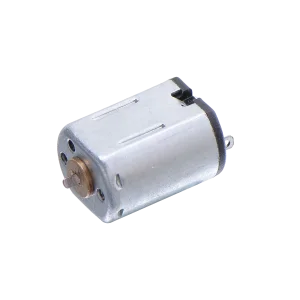
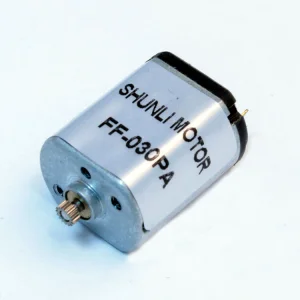
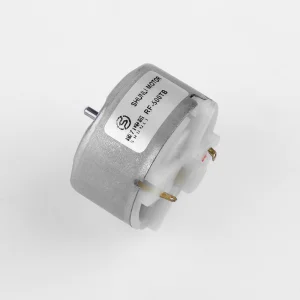
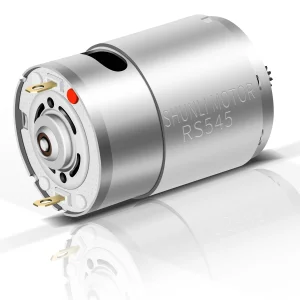
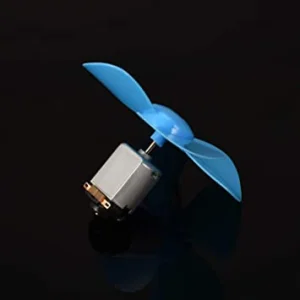
Browse our complete range of high-performance permanent magnet motors, gearheads, and customized toy drive configurations.