Top Tips for Choosing a Planetary Gear Motor for Your Needs?

Time:2026-07-06 Author:Henry
0%

Selecting the right Planetary Gear Motor is crucial for many engineering projects. These motors offer numerous advantages, including high efficiency and compact design. Understanding their specifications is key to making an informed choice.

When choosing a Planetary Gear Motor, consider the torque requirements and speed ranges. These factors directly impact the motor's performance. Ensure that the motor's specifications match your application needs. It is easy to overlook details, but doing so can lead to significant issues.

The reliability of your planetary gear motor can determine the success of your system. Consult experts and review datasheets before making a decision. Many factors influence performance, and each choice carries weight. Don’t rush the process; take time to evaluate options thoroughly.
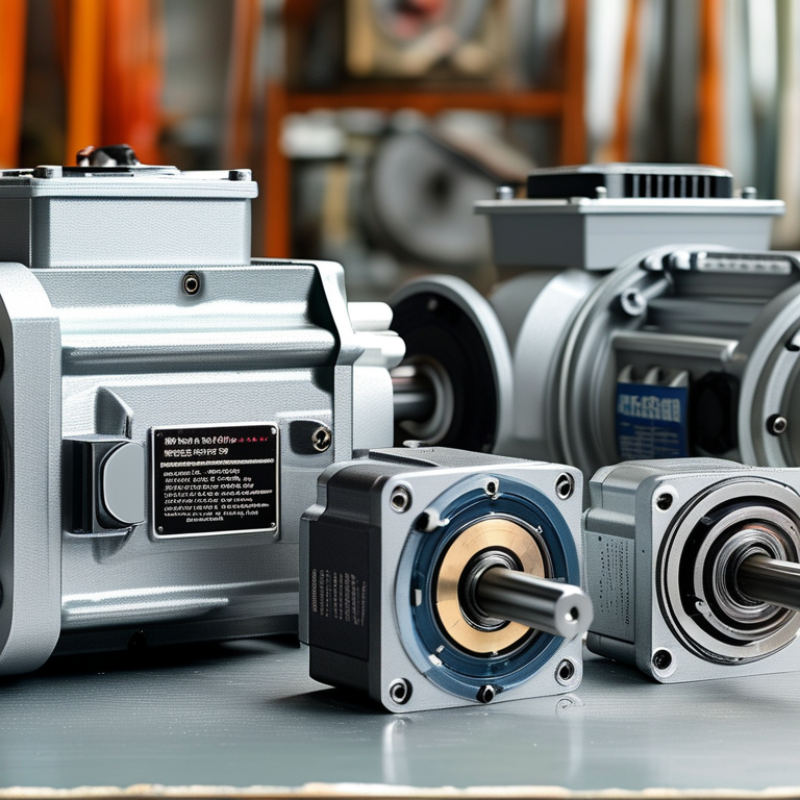
Top Tips for Choosing a Planetary Gear Motor for Your Needs?

Understanding the Basics of Planetary Gear Motors

Choosing a planetary gear motor requires a solid understanding of its fundamental components. Planetary gear motors combine high torque with compact design. They are widely used in robotics, automotive, and aerospace applications due to their efficiency. The gear arrangement allows for precise movement, reducing backlash in the process. Familiarity with these features is essential for making an informed decision.

When selecting a planetary gear motor, consider the output torque required for your application. This will help ensure you have sufficient power. Additionally, evaluate the motor's gear ratio. A higher ratio can provide greater torque but may reduce speed. It’s vital to balance these factors based on your specific needs.

Many overlook the importance of sourcing reliable feedback on these motors. Reading technical specifications and customer reviews can illuminate potential issues. Seek motors with proven durability and efficiency. Don't hesitate to consult industry experts for guidance. This connection can lead to better choices tailored to your demands. Understanding these basics equips you with the knowledge to choose the right motor effectively.

Top Tips for Choosing a Planetary Gear Motor for Your Needs

This chart illustrates the common torque ratings (Nm) and efficiency (%) of different types of planetary gear motors used in various applications. Understanding these metrics can help you make an informed decision when selecting a planetary gear motor.

Key Factors to Consider When Selecting a Planetary Gear Motor

When selecting a planetary gear motor, there are key factors to consider. One crucial aspect is the load torque requirements. This determines the motor's ability to handle specific tasks. Research indicates that for optimal performance, the gear motor should exceed the peak load by about 20-30%. This buffer accounts for unexpected peaks and ensures longevity.

Another significant factor is efficiency. Reports show that high-efficiency motors reduce energy consumption by up to 10% compared to standard models. Efficiency ratings can vary based on design and manufacturer specifics. Evaluating these specifications is essential for cost-effectiveness over time. In addition, consider the gear ratio. A properly selected gear ratio balances speed and torque output. Miscalculating this can lead to performance issues.

Noise levels are often overlooked but equally important. Operators prefer motors that operate quietly to maintain a conducive work environment. Some motors emit noise levels above 70 dB, which can be disruptive. It’s worth assessing the noise factor in relation to your specific application. Lastly, addressing installation space constraints is vital. Compact designs facilitate easier integration within existing setups. Review your available space to ensure a proper fit without compromising performance.

Calculating Torque and Speed Requirements for Your Application

When selecting a planetary gear motor, understanding torque and speed is crucial. Torque refers to the rotational force the motor generates. It's essential to match the required torque to your application. For example, a conveyor system needs sufficient torque to move heavy loads. Calculate the total load and factor in additional requirements. This will ensure your motor doesn't fail under pressure.

Speed is another vital factor. Different applications require different speeds. A mixing machine might need a steady, slow speed, while a robotic arm requires quick movements. Determine your application’s speed requirements clearly. You can use equations relating torque and speed to troubleshoot and optimize performance. Track changes in load and speed to see how they affect motor efficiency. Often, adjusting one can influence the other.

Keep in mind that the ideal solution may not exist. Sometimes motors deliver less than expected. Performance can fluctuate based on environmental conditions. Always test your setup in real-world scenarios to ensure reliability. Being flexible with your choices and ready to adapt can lead to better outcomes. Evaluate your torque and speed calculations for accuracy, allowing room for adjustments as needed.

Assessing Efficiency and Performance Ratings of Gear Motors

When selecting a planetary gear motor, understanding efficiency and performance ratings is crucial. Efficiency often determines how much energy is converted into usable power. A motor's efficiency rating can vary significantly, typically ranging between 70% and 95%. A higher efficiency rating means less heating up and improved longevity of the motor.

Consider how the load affects performance. If the load is too heavy, it may cause the motor to overheat. This can lead to faster wear and tear. Look for performance ratings that detail torque and speed capabilities. These numbers represent critical aspects of how the motor will operate. You might find that certain applications require a balance between torque and speed, which can be challenging to achieve.

Tip: Always assess the ratio of speed to torque for your specific application. This analysis will help you select the appropriate motor. Another tip is to review customer feedback on efficiency claims. This can provide real-world insights into how the motor performs under various conditions, revealing strengths and weaknesses that specifications alone might not show. Understanding these elements can empower you to make a more informed decision.

Comparing Different Types and Configurations of Planetary Gear Motors

When selecting a planetary gear motor, understanding various types and configurations is crucial. Planetary gear motors are known for their efficiency and compact design. They consist of a central sun gear, surrounding planet gears, and a ring gear. This configuration allows for high torque output in a small space.

There are different types of planetary gear motors, such as single-stage and multi-stage. Single-stage motors are simpler and ideal for lower torque applications. In contrast, multi-stage motors provide higher torque and greater reduction ratios. This can complicate their design and installation. It's essential to assess your specific needs before determining which type is most suitable.

Another factor to consider is the arrangement of the gears. An inline configuration can save space but may limit mounting options. Alternatively, right-angle designs allow for greater flexibility in installation. It's important to reflect on the operational environment and space limitations when choosing. The right configuration can enhance performance, but a poorly chosen one can lead to inefficiency. Therefore, a thorough understanding of both the types and configurations will aid in making an informed decision.

FAQS

: What are planetary gear motors used for?

: They are commonly found in robotics, automotive, and aerospace applications. Their efficiency makes them ideal for precise movement.

How important is torque when choosing a motor?

Torque is crucial; it affects how much load a motor can handle. Matching required torque to your application is essential.

What role does gear ratio play in motor selection?

Gear ratio influences torque and speed. A higher ratio offers better torque but may reduce speed, making balance key.

Why should I check performance ratings?

Performance ratings indicate how efficiently a motor converts energy. They can vary widely, impacting longevity and functionality.

What should I evaluate regarding motor efficiency?

Efficiency ratings generally range from 70% to 95%. Higher ratings mean better energy conversion and less overheating.

Can environmental conditions affect motor performance?

Yes, performance can fluctuate based on environmental factors. Testing in real-world conditions is essential to ensure reliability.

How can I assess the reliability of a planetary gear motor?

Reading customer reviews and technical specs helps reveal potential issues. Proven durability indicates better long-term performance.

What is the significance of torque and speed calculations?

Accurate calculations ensure that motors meet application needs. Adjusting load can significantly impact speed and efficiency.

How can I ensure I make the right motor choice?

Consulting industry experts can provide tailored advice. Being flexible with options allows for better adaptations to needs.

What if the motor doesn't perform as expected?

Fluctuating performance is common. Always be prepared to reevaluate your setup and make necessary adjustments.

Conclusion

When selecting a **planetary gear motor**, it's essential to understand the fundamental principles that govern their operation. Key factors to consider include the torque and speed requirements specific to your application, as these will help determine the motor's compatibility with your needs. Additionally, it's crucial to assess the efficiency and performance ratings of different motors to ensure optimal functionality.

To make an informed choice, comparing various types and configurations of **planetary gear motors** can highlight differences in performance and suitability for your tasks. By carefully evaluating these elements, you can select a motor that not only meets your operational demands but also enhances the overall efficiency of your application.

Henry

Henry

Henry is a dedicated marketing professional with a profound expertise in the company's offerings. With years of experience in the industry, he possesses an impressive understanding of the market dynamics and consumer behaviors that drive success. Henry is committed to sharing his insights through......