Top Tips for Choosing the Right DC Gear Motor for Your Needs

Time:2026-07-06 Author:Oliver
0%

Choosing the right DC Gear Motor can significantly impact your project’s success. These motors combine efficiency and precision, making them versatile for various applications. However, the selection process can be daunting. With numerous specifications and types available, it’s essential to understand your needs.

First, consider the motor's torque requirements. Different applications require varying torque levels. Too little torque may lead to failure, while too much can cause inefficiency. Additionally, pay attention to speed ratings. The wrong speed can hinder performance and affect accuracy.

Look beyond technical specifications. User reviews and expert opinions can provide valuable insights. They highlight potential issues that data alone may overlook. An informed choice is crucial. The right DC Gear Motor ensures reliability and enhances overall productivity. Take time to research and reflect on your specific needs.
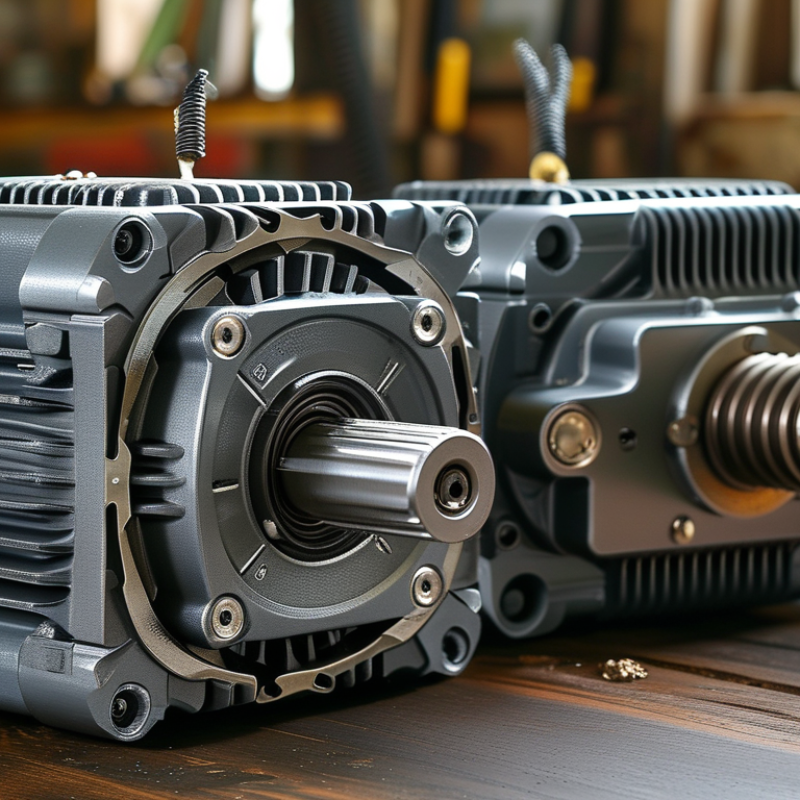
Top Tips for Choosing the Right DC Gear Motor for Your Needs

Understanding the Basics of DC Gear Motors and Their Applications

Understanding DC gear motors is essential for various applications. These motors convert electrical energy into mechanical energy. Typically, they combine a standard DC motor with a gear train. This allows them to deliver high torque at lower speeds. According to a report by Research and Markets, the global DC gear motor market is expected to grow significantly, reaching $2 billion by 2026. This growth reflects their increasing use in automation, robotics, and automotive sectors.

When choosing a DC gear motor, consider the required torque and speed. Ensure that the specifications match your project needs. Properly assessing load requirements can prevent underperformance. Seek motors that offer adjustable speeds to enhance versatility. Some applications may demand more precision, calling for gear motors with fine-tuned outputs.

Evaluate the environment where the motor will be used. Temperature, humidity, and dust can affect performance. Look for motors with appropriate enclosures or protection ratings. Additionally, consider the ease of integration with existing systems. Do your research and avoid making impulsive choices; the wrong motor can lead to inefficiencies. Always verify factors such as power consumption and operational noise before finalizing your decision.

Identifying Your Specific Requirements for Motor Performance

When selecting a DC gear motor, it's essential to identify your specific performance requirements. Start by considering the speed and torque needed for your application. A thorough analysis helps ensure the motor can handle the load without overheating.

Tips for choosing the right motor include examining the duty cycle. Motors can experience wear if operated continuously at high loads. Determine if your application requires short bursts of power or continuous operation. This understanding will influence your selection greatly.

Additionally, consider the physical space and mounting options. Not all motors fit every design. The dimensions, weight, and mounting style can impact the overall efficiency of your system. Reflect on how these factors interact with your project's requirements. Engaging with an expert can provide valuable insight, enhancing your decision-making process.

Top Tips for Choosing the Right DC Gear Motor for Your Needs

Evaluating the Key Specifications of DC Gear Motors

When selecting a DC gear motor, it’s essential to evaluate several key specifications. These may include torque, speed, and efficiency. A report from the International Journal of Advanced Manufacturing Technology highlights that torque requirements can vary widely based on application.

For example, a robotics application may need high torque with low speed, while an automated conveyor may require a different setup.

One tip for choosing the right motor is to match the motor's speed to your device’s operational needs. A motor’s RPM (revolutions per minute) can significantly affect performance. Overshooting or undershooting speed can lead to inefficiencies and mechanical strain. Applications like electric vehicles may require motors that balance speed and torque effectively.

Look closely at the efficiency rating of the motor as well. High-efficiency motors save energy, which can lead to reduced operational costs over time. However, these motors often cost more upfront. Balancing the initial investment with potential long-term savings is crucial for decision-making. Reliability is also paramount, especially in critical applications such as medical devices. Choosing a motor with a solid reliability track record can prevent costly downtimes.

Comparing Different Types of DC Gear Motors Available on the Market

When selecting a DC gear motor, understanding the diverse types available is crucial. The market offers various designs, including brushed and brushless motors. Brushed motors are typically more affordable but require regular maintenance due to wear and tear on the brushes. Brushless motors, on the other hand, boast a longer lifespan and are known for their efficiency, making them more suited for applications where reliability is paramount.

According to industry reports, the global DC gear motor market is expected to reach $10 billion by 2026, driven by advancements in automation and robotics. While choosing a motor, consider the torque and speed requirements for your application. For instance, a motor designed for high-torque applications may not perform well in high-speed scenarios. It's essential to match the motor's specifications with your project's needs to avoid potential inefficiencies.

Too often, users overlook the importance of gear ratios. Selecting an incorrect gear ratio can lead to significant performance issues. Taking the time to research and compare different models can prevent costly errors down the line. Experts recommend consulting with technicians or engineers who specialize in motor drives to ensure an informed choice.

Tips for Budgeting and Sourcing Your DC Gear Motor Efficiently

When considering a DC gear motor, budgeting is crucial. A clear budget guides your selection process. Determine how much you can invest without compromising on quality. Research average costs in your area. That will help you spot deals and avoid overspending.

Sourcing your motor can be a challenge. Compare different suppliers to ensure you receive a fair price. Don't focus solely on established brands; sometimes lesser-known suppliers offer valuable options. Look for warranties or guarantees as a sign of reliability. This reflects the supplier's confidence in their products.

Imagine you need a motor for a specific application. Take time to read reviews or reach out to existing users. Their experiences may reveal insights you might overlook. Analyze potential hidden costs, such as shipping or installation. These can impact your final budget significantly.

FAQS

: What are the main types of DC gear motors available?

: There are brushed and brushless motors. Brushed motors are affordable but need regular maintenance.

Why choose a brushless motor?

Brushless motors last longer and offer better efficiency. They are ideal for applications needing reliability.

How is the DC gear motor market expected to grow?

The market may reach $10 billion by 2026. Automation and robotics drive this growth.

What should I consider when selecting a motor?

Focus on torque and speed requirements. Match the motor's specs with your project needs.

Why are gear ratios important?

Incorrect gear ratios can cause performance issues. Take time to research and choose wisely.

How can I budget for a DC gear motor?

Establish a clear budget for your motor. Research average costs to guide your spending.

How can I find reliable suppliers for DC gear motors?

Compare different suppliers, not just popular brands. Lesser-known options can be worth exploring.

What should I look for in supplier warranties?

Warranties can indicate the supplier's confidence. Check for guarantees on the products offered.

How can user reviews help in my decision?

Reviews provide valuable insights. They can reveal aspects you might overlook during selection.

Are there hidden costs to consider?

Yes, shipping and installation can impact your budget. Analyze these costs before finalizing your purchase.

Conclusion

Choosing the right DC Gear Motor for your needs requires a clear understanding of how these motors operate and their various applications. It is crucial to identify your specific performance requirements, such as torque, speed, and load capacity, to ensure optimal functionality. Evaluating the key specifications—like voltage, gear ratio, and efficiency—can further narrow down your options.

When examining the market, it's important to compare different types of DC Gear Motors available, from low-power models for smaller applications to robust motors for heavy-duty use. Additionally, budgeting and sourcing efficiently can make a significant difference in your purchasing decision. By following these tips, you can select a DC Gear Motor that not only meets your technical specifications but also aligns with your project budget and timelines.

Oliver

Oliver

Oliver is a seasoned marketing professional with a wealth of expertise in driving brand awareness and engagement. With a deep understanding of our company's product offerings, he consistently delivers high-quality content that enriches our professional blog. His insights not only shed light on......